We moved to the UK when I was 5, coming from a nice middle class family, as is common with many immigrants who can afford the costs to emigrate. Dad told us that on the plane you could open the window and touch the clouds, which were like cotton wool. There’d be snow: I imagined digging myself out and tunneling my way to school. In retrospect he knew.
He’d studied here in London, law I hear, but blew it all, gave money to a friend in need, argued too much with the colonial professors. But left with a penchant to liberate his kids should he ever have any, to a more free life. Without the ethnic politics of Malaysia, where to this day we’d be barred from university choices and jobs due to our race. As ethnic Chinese, we were known as the ‘Jews of Asia’, for the way we monopolised wealth despite starting out as poor WWII refugees. In Indonesia, where affirmative action is non-existent Chinese made up only 7% of the population yet 90% of the wealth. When the Asian Financial Crisis hit in 1997, inflamed by multinational hedge funds, one of the side-effects was half a million children succumbing to malnutrition. Race riots took over by May of the next year, and almost 12,000 were killed, mostly ethnic Chinese, with 100,000 fleeing the country. In Malaysia the historic slanting of the Chinese after 600 years in business was balanced out when they introduced affirmative action for the varied ‘Bumiputra’ (sons of the soil) populations, mostly Malays, long indentured and an underclass in their own country. A rebalancing followed, opening up opportunity to many of the poor, whilst teaching racial harmony in the schools -but over the years the Chinese who made up nearly half the population at one stage, dwindled to 23%, as many moved abroad for better prospects.
Mum remembers the race riots during the Communist insurgency of the late 1960s, how as a young teacher they watched the fires crowd out the horizon, then had to try and shuttle the children home safely. Britain would be a better life.
Fast forward to 1980s Thatcherite Britain. I remember it cold, a sensation I’d never felt before, and grey. October. We moved from our tropical beach house into a little rent in Windsor, picked for the royal associations and guaranteeing a hallowed education just in name: Clewer Green, Trevelyan, The Windsor Boys’ School, The Windsor Girls’ School, The Berkshire School of Art. The flat was small but beautiful, opposite the library, where my sister R aged six, would sneak into the Adults section to get her books, and where I learned English stuttering over the long names in Asterix. They bought me a tiny desk, with little drawers -trumped up as a big reveal but remember thinking it a bit shit. There were no other kids, and the walk to school was crap, a mile and a half. Though in hindsight, we should’ve stayed there.
A few months later we bought a horrible house on a council estate -one of the few that were privately owned. Mum went from a departmental head at her high school to a cleaner, for which she gave up her pension. Dad, a landowner and academic but one without degrees, went straight into factory work and abject poverty for the rest of their lives. We were too poor to have furniture for a while. Unbeknownst the area was the most racially divided boroughs in the London area: Slough with the highest minority-majority wards in the country (97% Pakistani) to Windsor winningly White and native, an affluent tourist town surrounded by army estates. We’d landed right into one that later got notorious, including the odd riot.
On the first day at school, my sisters got straight into fights -a running meme for the rest of their tenure. R was a born tomboy, always loud, belligerent, brave, and climbing trees, building forts and taking anyone on. She’d tie her little anorak around her shoulders then zoom round the playground shouting ‘Supergirl!’ at the bullies, and generally doing Supergirl things, such as punching them in the face. They learned to stay away. But H, the eldest got it worst, where the kids were old enough to see the difference, and read into it. At first just as belligerent as R, as the years went on she started to quieten. I remember the first dark-skinned pupil joined by Class 3 -a Sri Lankan boy who’d moved house because the last place was too racist -subsequently the entire hundred+ school chasing him round the playground while the dinner ladies watched and the teachers pretended not to. It went on for days, at every break.
By middle school (Trevelyan) H was being badly bullied every day, not just the open insults -getting drinks poured down her, fights, punches, playgrounds throwing her into the air like giving the bumps, then letting her fall, and her name Chinky or Ching Chong day in day out. One gang of girls merciless. She used to stay behind class to avoid rec, much to the annoyance of the teachers just as complicit; when she finally told them she was being bullied, years later, they said ‘oh you’ll make friends soon’. One teacher, as a lesson, took her to the playground, and to demonstrate her small size, picked her up and stood her in a bin for the rest of the class to watch. By then H barely spoke. I think of these people now and want to rip their shitty little earrings out.
R continued to fight. Some of the boys in the neighbourhood wouldn’t believe she was a girl, so ready was she to take them all on and oblivious to any assault. Even when she was dragged out of a tree aged six, she stood up bleeding to the 14 year old skinheads. For it was a skinhead estate, we found out pretty soon. Every day for weeks the entire neighbourhood’s kids mobbing as a wall of flesh on the back gate to scream racist abuse, spit, throw projectiles, while their parents ushered them in every night and gave us evils from high windows. We couldn’t go out, and if we ever did we’d have to try and avoid Sean and his gang, and put up with everyone else, though one little girl, Dana, did start to play with us. They started calling her ‘nigger-lover’. Chrissakes folks, at least get it right.
Next door lived a teacher and her middle class family. A bit cold but civil, who would offer a lift to my sister occasionally (until she overheard the mother’s nickname for her). At some stage next door made their feelings more overt. One night their kids dancing idiotically in a ring and singing outside our house. Night after night we were getting new projectiles -no longer stones or sticks, but soggy clumps of tissue, that rarely made a noise but would dry like concrete; it didn’t take long to spot it was them, and know no one could be trusted.
Windsor, twee little Home Counties town full of tourist lace and Royal tradition, is the most odiously racist place I’ve ever been, permeating every level and class. It’s hard to forget even after so long the looks of sheer, screaming disgust, the hate, the friends that betray. Even when it’s not leaning out of cars to spit at you, or stare 180 as you walk by (to the point you think it normal behaviour for all pedestrians), or throwing bricks, spraying your walls and kicking you in the face in some carpark, it’s insidious even in the acceptably middle class assumptions. Little old ladies asking you to get your proximity away from their seat, tutting if you walked in front of them, always starting off: ‘in this country…’.
During A-Levels, my essays were held up as an example to other classes of a sign of plagiarism, too good was the writing. It happened again in art college, losing final marks because they concluded my lecture notes copied from books. My mate who’d done none and did in fact frantically copy some of mine on the last day, got a higher mark. I questioned the low score out of curiosity, my lecturer fumblingly embarrassed, admitted the accusation; and it would not be changed. This was the most left-wing, open environment you could think off, and an abrupt ending to the first illusion I’d ever entertained as being accepted. To this day if reminded I’m still pissed.
Growing up in Windsor one grows to hate everything that is different, such is the cultural norm, notably yourself. Everything about the way I looked, dressed, smelled was found wanting, even what I ate -after being mocked I would only wolf down packed lunch after getting home, locked in the bathroom. Yet everywhere you looked, you read, you watched and listened you couldn’t help but laugh, cry, fall in love with the White image, and know everything else unworthy. Just watch any 80s flick of the era or older, involving anywhere abroad, from Indiana Jones to Casablanca to Breakfast At Tiffany’s to James Bond. We are the background: bestial, stupid, laughable as foil to White saviours. This on top of the domestic dramas and trauma behind closed doors. No teacher ever asked about the bruises, black on white.
Being proud would never happen for decades. By then R, so headstrong at the start, was a shy and quiet young woman, so ahead of the class yet dropped out of school and jobless. H had become the opposite, up for any fight, strong and persevering; it was as if they’d swapped roles.
It was one night I was home visiting from uni, when another great big stick or brick or something came into the window, can’t quite remember. But that I went berserk, just saw red and chased them over the wall and into the warren of the garage block. Rounding back onto the street empty-handed, then began yelling at the houses like a madman, like come-out-and-fucking-stab-me mad. That for 15 years we’d put up with that shit, that after one generation grew up, another would replace them. That it was the complicit parents to blame, that my father sat dying for years while barricaded, watching them throw their missiles from a bygone age. I think I was out there for half an hour screaming at darkened windows, where in the end Mum and R came out too. It all stopped after that night, proof that bullies are thinly veiled cowards.
To this day there is a part that is still bitter, that will always be bitter so long as I see it, and the world around duplicitous. Racism changes lives, it kills, it denies you jobs and promotions and money and lifeplans we endure, even in subconscious bias. You sweat like a dog year in year out, while watching those hired after and promoted within a year. Leaving in disgust after 5 years of blocked applications. After chatting in common rooms full of cooing colleagues, walking out then overhearing their racist jokes about you. I’ll never fully trust sweet sounding OAPs after that, or anyone who’s ever worked in ‘the forces’.
That it takes 7 years in the next job of more of the same, the very last to leave the bottom payscale by dint of always being peripheral and every word unimportant.
I find it hard to randomly watch, hear, or hear about racism any more, it just ignites too much inside. That I see it underlying so much of media portrayals while the rest just accept, and we face every day. It’s just so fucking draining. One of the first openers to Why I’m No Longer Talking To White People About Race retains the scenario that the complainant understands the argument, fully. They are not simply one-sided, they understand inverse racism is still racism, they know what ‘playing the race card’ is and are wary of it, and that not all White people are to blame, should pay for the sins of their fathers, or to be lumped as one and the same in the exact way racism categorises others. That strawman arguments of not being able to ‘say anything’ anymore or suffering White Mans Burden, or accusations of such, of being over-sensitive or reading too much into things is alien to them. That ethnic minorities can be racist too, and are no angelic civilisations. But all too often our cries beach themselves against the same, listed barrage, imbedded by the sense of authority in these matters despite never having experienced it, and by that constant sense of The Other.
I remember insomnia after five days, waking up dazed and confused. Thinking I had insects in my bed; asking Mum to tell me about her nonexistent childhood in Germany, then looking into the mirror in the dark, and realising I wasn’t White and British, but East Asian. Imagine if you woke up Chinese one day. How fucking alien all that embodies.
The same way ethnic minorities navel-gaze, look upon themselves as lesser, question themselves constantly, and battle their own media-driven assumptions, is the same way they think White people regard them. Even if it is without hate, we fear it is with prejudice. From the news to Hollywood to Netflix to the internet to the voting booths, it takes a toll. Think of someone that got bullied for being different in your school, we can look back on and agree was unjust and cruel. Then think about a society subsequently forming political parties that wanted everyone who looked like that person booted out of the country, and millions voting for it. That for the last 25 years it’s been the main priority for the majority of voters that we stop more of them arriving, regardless of what they stand for, who they are or what they can offer. What message does that publicly announce?
It’s so easy to hate on the White world, to try and wash yourself from everyone you imagine judges you every time they look or interact. To not even come into contact with the possibility, and disregard a society constantly betraying you yet demanding allegiance at every turn and story. That daily life outside is a tiresome, constant minefield of expectation, judgment, acting and giving a damn. But ignoring that is impossible. You work, you have friends, you watch TV and fall in step with the characters, allegiant to sports teams and even proud of your nation when the flag flies exultant, or some other nation tries to trash it. You fall in love, you marry and live your life with them, and will have kids like them.
I remember a British drama on the box, about a British Pakistani brother and sister. The young woman recruited into terrorism, whilst her twin accepted into the anti-terrorism force. They question him for his allegiance -he a former soldier, thankful to Britain for taking him and his family in, thankful to Britain for giving him the freedom of society and speech, proud of his adopted nation and very off-the-cuff about it all too. He’s hired on the spot. We, as ethnic minorities scoff at that portrayal, no doubt written with White assumption. How many native White people thank Britain? Actually take the time out, pause and thank the country for bringing them up, for taking them on, for accepting them against all the odds. The answer is they don’t -they are that country they love, that they do not have to prove themselves to, and not in a job interview either. Walk down the street after that charming interaction at the supermarket, and thank Britain for not kicking you out.
So here’s the secret: we are British. We do not look at it through the lens of us and them, we do not look at it as some foreign country that accepted us and continues to do so. We are this country in the same way any native White Briton feels, and who doesn’t question why they are standing in it, or having to thank some abstract ideal or the general White populace for being there. I close my eyes and I am British, more British than anyone under the age of 37. I’ve had more experience of living in this country, eating the food, living the lifestyle, reading the news, going to the same schools, pubs, clubs, restaurants, cinemas, supermarkets, and everywhere else, seeing from the same eyes as an idiot abroad, and I’m sure I’d take anyone ‘native’ on in knowing more of the history, language, customs or geography. Just I don’t look like it and will never, ever fit into the narrative. One colleague once mentioned, with a knowing glint in her eye: ‘the question is would you die for this country?’. She of course assumed we wouldn’t, that the question needn’t even be answered. I asked her back, why would I, even if I wanted to?
If that BBC drama knew in any way what they were even talking about, the police would have asked what they felt about allegiance and merited him on honesty, not which side he was on and if he ticked sufficiently their prerequisite boxes.
When we look at ‘White’ people and culture, no matter how one could try and extract themselves from the immersion, or hate back, we cannot but help to have been formulated in it, to have laughed and cried alongside every media portrayal from Pretty Woman to Titanic to Avatar to the fucking Little Mermaid. The same cannot be said from the other side. Whenever China gets bad news, sure plenty of people say they hate the regime not the Chinese people, but just look how quickly that translated to open racism during the pandemic. How many people have cried for Gong Li in Farewell My Concubine, or laughed with Sing from Kung Fu Hustle, fallen in love with Teacher Luo in Under the Hawthorn? Or ever even watched a documentary where Chinese actually talk amongst themselves, thus displaying more than one personality type? And that’s for China, the most out-there country right now emblazoned on many a headline for years -what about any given ‘shithole’ country? They are not just indentured refugees, poverty-mired underclass or corruption-riddled nouveau riches. They are like you and me, and just as multitudinous, just as understanding and ignorant in equal measure. A telling sign are the headlines. It’s not America that is imprisoning refugee kids, but Trump. Whilst it is China imprisoning Uighurs, not Xi.
In short we ask – no, we demand – the way one sees their own race, their own community or family or class as multitudinous, and not compatible with categorisation, has to extend that view to all others.
So what has become of Windsor? In the noughties people tried to convert part of the Windsor Dairy, which had been functioning as a makeshift mosque for the small, local community. Residents were so averse to ‘increasing the traffic’ they took up arms and assaulted anyone they deemed looked Muslim on their street, while worshippers barricaded the dairy. The mosque never did get consent due to ‘increasing the traffic’. The town’s since had a Black MP, though racist leaflets were distributed to every pub and local institution on the eve of his election, urging people that we couldn’t ever let this happen -the same betrayal across the river in Slough. Our street is now affably middle class, despite everything being ugly postwar terraces the property prices are legion. The town is staunchly Conservative and voted Brexit. I’m sure it’s nowhere as bad as it was before -notably a friend who was brought up after says there is little open hate anymore.
I always look back when I talk or write about racism with embarrassment, there’s always so much to say, too many incidents to recount from too bitter a well. I don’t think about race every day, as I’m sure most people don’t. But then reminded, and especially right now, when one sweeps it under a rug, and doesn’t learn from history, you’re doomed to repeat it. Our experiences, our histories need to stand testament, and publicly.
Sorry to have gone on for so much, but then again no, I’m not fucking sorry.
In short: it’s the borders, but not as you know it.
A continent loosely summed up as 750 million people in the more northern climes of the world, famous for its history, heritage and export of culture (and peoples).
But let’s look closer at the geography: the world’s sole ‘landmass’ delineated from the rest not by seas but mountain ranges (do ignore the Indian ‘subcontinent’, China or Eastern Africa that could easily do the same) – with the Caucasus forming an adjunct against the Middle East at one end, and the more spurious boundary of the Urals at the other. Never mind that this range peters out uncharitably 600km from the Caspian coast, and is low and heavily gap-toothed anyway – infinitely porous for the peoples of the Steppe, and to which White Russia has long suffered from… no, THIS is the boundary that claims itself a stopper against the rest of the multitudes. That declares itself more than just a peninsular of Asia.
The idea that all continents are defined by their physicality demonstrates European exceptionalism – insofar that the idea of Europe is in reality more based on ethnicity, thinly veiled. That what defined this continent has long been the triptych of pale skin, Caucasian race and Christian culture, all but glossed over in textbooks to this day and accepted as an unsaid, unquestioned norm. With this idea comes the attachments of history, a richly influential vein that runs through collective peoples who went on to annexe 3.5 continents other than their own -the two Americas, Australasia and Asia (thanks to Russia/ Kazakhstan). The greatest source of immigration the world has ever known and likely ever will. In short Europe is a sanctum alluding to the ‘old country’ for many hundreds of millions outside it still, and an idealistic narrative on governance to even more – a cultural source code for successful nations if one may.
Ethnic map of the world by Haplogroup:
This veneration is both the winning laurel and Damoclean sword. On one hand its historic urbanity, motifs, cuisines, languages, style and arts continue to draw visitors and investment by the billion. Yet its exceptionalism can also jar with the demands of globalisation, and demographic paths toward a more mutually reliant, Benneton ad of worldly oneness. As the per capita incomes of the Developed World and the Developing World (once known as the Third World) begin to converge the eyeliner so long denoting Europe as belle of the ball is increasingly consequential: attracting ever more suitors but also a more fragile sanctimoniousness. Watch as the denizen of ambassador’s balls hides from the fawning attentiveness of her retinue, while basking in their thrown cash.
For example, Europe’s plinth-like status brings in 671 million visitors (2017, accounting for 57% of international travel), with $767 billion investment to local economies – by far the largest destination for tourism, immigration and FDI. New housing, continents removed, still delusionally aspire to Tuscan villas, Norfolk farmhouses and Berlin apartments whether they be in the sprawl of the Texan interior, embattled Israeli outposts or estates in China’s third tier cities. The English language/ suit has become the uniform for global professionals, and Greek democracy, Italian art, French enlightenment, English industrialisation, British-Russian economics and Swiss modernism have been adopted as worldly norms. Parts sold as templates for governance and contemporary culture.
Looking back on this weight of far-reaching achievement, pride becomes an easy reaction, despite the cultural piggy-backing, technology transfer (strictly limited between brothers-in-arms -read: White countries), and disparate achievements conveniently united by one race, with a redrawing of boundaries as and when needed. All cultivated under the umbrella term of Westernism but not so subtly redolent of supremacism too. Not to mention a more painful eyeballing from history on an inheritance built on colonialism, slavery, incessant power struggles, foreign invasion and hierarchical inequality perhaps a little more avid than the rest.
But Europe today is also a region most angst-ridden about outside influence and historic navel-gazing. It’s increasingly susceptible to modern day demagogues, where every major economy is now, for the first time in a century, either right wing or in coalition with the far right.
To start, one cannot possibly quantify 750 million people, 130 languages, 50 countries, 87 ethnic groups and countless cultures and histories as one. Witness the past attempts to do so, whether through bloody world war or cultural hand-wringing when pacts such as NATO or the EU sacrificed imagined sovereignty for greater geopolitical win-win. The continent is still a disparate collection behind the flawless face, with infighting commonplace between countries, and regions within – not to mention many societal pitchforks readied for the stream of newcomers, whether they be from the continent or outside.
Separatism within Europe:
Yet should Europe give up on its institutionalised veneration on what it thinks it is to be European – rather than by dint of pure geography – it would find it can marry contemporary progressiveness with a rich past and continuation of traditions. Look at the record of the Nordic, Alpine and Benelux nations, world leaders in education, quality of life, social justice,economic performanceand environmentalism coupled with a rich heritage of culture, architecture and the arts, all within the same breathless sentiment.
But contrast that with worrying support for Le Pen, Jobbik, the Freedom Party or Brexit, coupled with instances of hate crime, terrorism, media-fuelled xenophobia and a stout lack of charity for the current refugee crises. For perspective the vast majority of the worlds 68 million refugees flee to neighbours within the already embattledMiddle East and Africa – some of which have become refugee-majority populations within the last decade. For all the furore ‘only’ 1 million of the richest affording the crossings to Europe.
Also note how Austriaand Denmarkstraddles both these perceptions – open progressiveness with reactionary populism, which lends to the fact no part can be summarised despite all intent. Should Eurocentrism take down its artificial borders both in mind and physicality it can limit the damage wrought by a generalised decline in birthrates and productivity, both demographically and culturally. When the ‘old country’ no longer negates the idea that all societies are new, and that they have always had to be in order to survive.
Europe is in short a wondrous, rich tapestry of histories and cultures; it does well to build on it. But it also does well to remember how porous its borders were in the age of empires, whether being invaded and influenced from outside (Egyptians, Phoenicians, Persians, Turkics, Huns, the Silk Routes, Moors, Mongols, Tatars, Ottomans) or doing the invading and influencing of the outside (Greek -Macedonian, Roman, Portuguese, Spanish, Dutch, British, French, Russian, German). All that so lent it the multitudinal aspects to build and importantly, trade on.
Les trentes glorieuses:
This is not to overlook the genius of democracy, the Renaissance, the Enlightenment, the Industrial Revolution, but they were not entirely standalone as we have come to assume, and with often fore runners abroad, from China’s equivalent scaled Industrial Revolutionin the Dark Ages, to Mughal manufacturing that took a quarter of global GDP and Ming Dynasty naviesthat operated history’s largest pre-industrial ships, industries, and explorations. The first shoots of democracy in Iraq and India, alongside the worlds first cities, or the first modern warfare.
Random details in the last mention alone demonstrates how far they got, and how little we know from our Western-centric history books. The attempted invasions of Japan by the Mongols was the first mechanised war, fired up by the Mongol-Chinese who operated the first guns (‘fire-lances’), cannons, mines, sea mines, grenades, rapid-fire crossbows and Korean ‘hwacha’ that could shoot 200 arrows at a time. They employed vast armadas of 5,200 ships too – but ultimately opted to bury the tech when society started going Call of Duty amongst themselves. Japan, replete with developing the worlds most advanced weaponry (and conquering Korea with their prototype arquebuses) even dumped the lot and went back to 300 years of isolationism. Back to the beauty of the blade via a Samurai-Shogunate society -it’s a myth that the Chinese used gunpowder just for fireworks, and that the Europeans turned them into weapons.
A lot has been said about the vast rape of the continents by the Mongols, who killed so many Chinese, Arabs, Indians, SE Asians and Eastern Europeans the carbon in the atmosphere fell dramatically. Who destroyed over the centuries the world’s largest million+ cities of Baghdad, Gurganj, Merv, Beijing, Nanjing, Hangzhou and Ayutthaya and would attack countries with navies made up of up to 7,000 ships or win against forces of 130,000 when armed with only 8,000. However the Mongols were also a big buffer against historical domination if not a global one. A kill switch or at least barrier to further ambitions whenever any Asian empire started getting too big for its boots such as the Burmese, the Japanese, the Delhi Sultanate, the Song Chinese, the Persians and Islamic Caliphates. Cue the European arrivistes later on, after the fracturing of the Mongol Khanates.
On top of all this, much iconography we think of as intrinsically European actually comes from beyond. From the adoption of a Middle Eastern religion that is Christianity, to the International Style (clue’s in the name) sourced from medieval Morocco and Japan by early modernists such as Le Courbousier. The white wedding dress of the Ottomans, the Romanesque arch of Arabia, the Mongol onion dome. The Chinese naval tech, the Japonisme of impressionism and modern art. The African beat, the SE Asian spices, the Americas coffee, Chinese tea, Himalayan gardens, Indian manufacturing. The Japanese business frame, the knife and fork, the apple, the tulip, we could go on, and still do.
The whole notion of Europe breaking down its barriers to the great unwashed of immigration, cultural influence and globalised supply chains in order to speed its coming extinction, is not going to pass. Even if it had been done in the continents Europe itself overran in the past, – that only ever really happened when coupled with genocide, including viral. Rather than cultural and ethnographic annihilation comes trade, and the exchange of ideas. This has been quite the tradition for millennia for all continents, Europe included, from the Silk Route to the Age of Empires.
The way we see the world today should, in a very European tradition, be encompassing, outward-looking, clear -yet holding a subtle richness of history and nuance beyond the everyday. Look again at our modern world, and what place do we see?
Supermouse has in the past, caught international coaches, long distance between countries. A lot can be said about the romance of land based travel, from the first hippy trails blazing with adventure, to the freedom of the road and its neverending horizons. Big skies. In this instance, an overnight trip between London and Brussels, it was more the moth-like space as scudding Bladerunner lights and darkened streets flew past, while Roy Orbison played softly, epically into the night.
However pattern recognition may not be Supermouse’s strongest point. You know the score: something bad happens, but you try the same thing again and again in a hope it won’t – can’t – possibly repeat itself, and suddenly become this marvellous experience it was always meant to be.
The time was the early noughties, back when those giveaway scratchcards were popping up in newspapers and collecting in flurries on the street, promising exciting possibilities of raining bank notes over your bed. Entire home computers, phones with inter-net, a caravan holiday with Pamela Anderson or a cruise in the South Pacific. Maybe a romantic weekend in Paris, provided you rung the Premium Rate number (not at work, no!). Guaranteed win.
Of course the cheapest and only option was the Paris overnight coach, after you gave away all your details for healthy distribution among sordid marketing agencies for the next decade.
It was of course an experience to be savoured, wedged at the back of the bus with sweating, just-as-delighted immigrants between the two cities. Plus all their masking taped, leaking haulage, with no chance of sleep due to immovable seats. Oh and the long process of cross channel change of transports, with border checks. Barking dogs, razor wire, Hugo Boss designed uniforms, that kind of thing.
But Paree was formidablor, and indeed the City of Lights, and all was worth it for the poor, indentured labourers more willing to put up with less leg room and sleepless nights in their twenties.
A much later stint on the same choice of transport was a trip to Amsterdam, but coinciding with the Paris attacks of 2016 and 137 killings that very night, unfolding on the screens of a horror-stricken ferry and the sound of international phone calls. Then followed up by a journey through locked down, cordoned off cities across the Benelux where the attackers had come from and rumoured to have fled to.
So more of the same on this journey, entering what is newly one of the most dangerous regions in the world for travellers, listed alongside Syria, Iraq and the Congo as the hot new destinations not to go to by international consulates. The UK’s foreign travel advice to the country officially states from the outset that: “Terrorists are very likely to try to carry out attacks in Belgium.” I had to read it twice, having assumed they meant to start off with ‘Terrorists are not very likely… to attack you, your children or cat and that your stay there will be 99.9999999% unlikely to be marred by political violence, and that 11 million Belgians live there every single day untroubled with the threat”.
The advice continues with “Attacks could happen anywhere, including on public transport and transport hubs and in other places visited by foreigners. You should be vigilant in public places.” Oh swell, a fucking bath of spiders then.
Since 2014, four terrorist attacks have killed 36 and injured 345, with two major plots foiled – though bear in mind, one took the vast majority of casualties, the 2016 bombings of the airport and metro on the same day. But what makes Belgium, and more specifically, the now notorious district of Molenbeek, such a hotbed? Though of course in reality it’s far from it.
Well the country sits in the Schengen area of open borders, a knot of small countries one can drive through within 2 hours or less, without check to enter France and Germany. These porous borders have allowed extremists to come and go between attacks and hide awaiting the next one.
The anonymity of Brussels is also a point to learn from, whose neglect of Molenbeek, a working class district of 100,000, has become the perfect profile for a terrorist breeding ground – a struggling community left to its own fate and representative of every city’s social apartheid. Where those of immigrant backgrounds (40%) do not get to share the same opportunities afforded to the middle or upper classes. Nor White, or non-Muslim backgrounds.
These people non grata complain of facing racism every day, from hate crime to quality of housing, while at work to the enforced lack of any work. Despite the Islamic Molenbeek community at large being staunchly against the terrorism, sympathisers can be found more easily who will help or hide the perpetrators.
Not just Belgium’s imagined lack of social cohesion or investment has come under scrutiny, but also it’s relative lack of security infrastructure. Only 1,200 personnel were employed by State Security in 2015, despite being the diplomatic capital of the world with numerous EU, EEC, NATO and European organisations. Another 2,500 international agencies and 2,000 international firms call it home, as the de-facto capital of Europe precisely for its porous, (terror-baiting) positioning, and contrary to size.
This lack of policing, both socially and with real officers, has thus allowed the small city to have easy access to black market arms – like in America but with nicer backdrops.
However, lets forget this unsavoury starter for the time being, Supermouse is not on some foray into social journalism or ghetto fabulous tour. Molenbeek, famed as it is, is not on the Grand Tourbus intinerary.
Why Brussels? Well as a snap decision for a weekend in August, it’s the cheapest and only viable option for a foreign city break. Nearby Paris, Amsterdam and even Edinburgh demand hundreds from the wallet for the imposition of such short notice. The weekend will be all Tintin, waffles and beer. Mussels in Brussels, chocolate and pissing child statues. Lets just get through the A to B bit.
And what an Odyssey it was.
Part I. The Bus.
The trip there was as expected, and run by Brits, with a sudden lack of niceties once abroad: arse numbingly uncomfortable, hellish and awkward. Supermouse, having safely procured a place at the back (what no end seat to lie down on like last time?) discovered every space filled, and in the nearest proximity almost every fellow person of colour.
Was this the welcome to the divisive Belgian society to come? Are minorities more likely to turn up late? Well, turns out people with the most luggage (read: migrants laden with presents) took more time to load the luggage in the tiny, avalanche-prone hold, than the Eurotourists walking straight on with small backpacks. No one’s fault; Belgium you get a hall-pass.
Thus the bottom deck, luxuriantly spaced, was filled with the worldly travellers of leisure, playing with their hair. Watching two gangs of families/ friends clamber up with all their baggage, relegated to the back of the top deck. One was a group of older Congolese men, one of whom I was sat with to make fleetingly awkward convo.
Don’t think he liked me drumming his hat either to wake him to the wonders of the M2. Every now and then he’d look forlornly past at his buddies having a glass-clinking jolly two seats up.
On the other side was a group of Bruxellois ghetto girls, one nibbling KFC (at least she wasn’t flagrant about the fragrance), as talkative and infernal as they come, with the fat one periodically waking the skinny ones throughout the journey to point something out, admonish them for dropping off or announce she just had a thought about something. If a zombie apocalypse did actually transpire during the course of our epic, as it almost did the last time, I’m sure she’d be one of the first to go.
They were only interrupted once, by a waif of an Italian girl, the last of the last, finding a seat among them. Before making the worst social faux pas – assuming someone of colour is with the other people of the same colour. She offered to swap seats with the young woman next to her so they could all stay together, before the group told her no, that person wasn’t with them either.
The waif sat behind me on the back seat that cannot adjust or lean back, so I was polite enough to keep my own upright, so as not to headbutt her, or ever have to look up, dreamlike during the night, into her nostrils. My older companion however had no qualms about leaning his as far as it’d go, stretching out while the poor lass behind sat like a squashed fruit in quiet indignity. For the following 10 hour trip, thinking about dead kittens.
And so it progressed a purgatory of Tryingtosleep with one’s eyes closed and twitching for hours to zapping lights, listening to the coughs, farts and listless convo that formed a cocoon of bus wanker misery. I forgot my blow-up neck pillow thing. The man in front had headphones on watching some shite shoot em up, bellowing stupidly to his girlfriend to compensate.
Then it was the joys of border control, the French side unbothered and regaling each other on snail recipes or something, throughout the process. The British side was more terse, whose walls were planted with the faces of the missing (heartbreaking pic of twin toddlers, from Tahiti). Offset though by the ciggie-and-gulp banter of the usual Brit ‘lads’, catcalling each other across the room and having a knees up in the queue, that you want to run away from, far into the night. But then you’d probably get electrocuted or tracked down by helicopter.
There’s a thing border control does with people of a certain background (think of the least English looking race) who claim to be British, and that’s to hold a seemingly good-natured chat, while their fingers scatter alarmingly across the keyboard. Checking and double checking shit while they think you’ve not noticed, that everything below their beatific smile is absolutely going at it like a raccoon fighting a spider on a piano. DNA helixes, hologram lighting, and satellite pics briefly flashing on screen, homing in on your best Home Counties accent as you chat about Marmite or summat.
Though, suppose it’s better than barring you from the flight in Moscow as they phone the damn consulate.
This was the first time in decades that hadn’t happened. The guy just waived me through after a simple ‘alright?’ greeting coming from me. I nearly hi-fived him.
Then it was back to The Bus of Broken Dreams. And The Ferry to Nowhere.
2. The Ferry To Nowhere.
Why is everyone running? Why is everyone looking like they’re on supermarket sweep? Are we sinking – is Townsend Thoresen about to go tits up? Worst – are we missing a fireworks spectacular over the White Cliffs?
No, people are desperately scanning the joint for the very few sofas, finally pinpointed high in the drinking Lounge on deck 8, so they can sprawl luxuriantly, disgustingly horizontal. Giggling occasionally in their sleep, while everyone else wiles away the witching hours slumped like the fat paraplegics they really are in tiny chairs.
Lounge class armchairs for the not-so-lucky elite, while everyone else is funnelled into plastic chairs in the canteen, making dinnerless conversation with their ever-present family they know and love. Those who don’t get a seat, the groundlings, hover interminably between corridor, toilet, games arcade and shop, then back again over two hours, or hole up in the corner like a homeless person.
The very last of the last, confronted with the sudden freedoms of despair, tend to lie in the middle of the floor, sometimes the bottom of the stairs. Preferably face up in an X shape.
Welcome back to Britain, even abroad, where everything correlates not on race or gender or looks, but on class.
Supermouse found he belonged to the middle class for once – the cafeteria set – but without parental faces to stare into, made do with snatching two seats from a pouncing family. Thus a bed in which his legs sat while body lay, like a cross-class Centaurian. My anorak became a body bag, and the chair backs were turned from the corridor, a hidey hole where I could freely pick my nose or stare out my phone.
But still I can’t get no sleep. Dodo doo dedodoodooo. It’s like trying to doze off on a fairground ride: the constant footfall and football chatter, the lurid lights every time I moved the wrong way, the lurching up and down and all around.
Soon enough it was over, and it was back to The Bus, and the last, listless miles to Brussels, where I woke after my first hour of sleeping in the crook of my shoulder, to rows of higgeldy houses and occasional skyscrapers. Each building unique, with walls of French signage -we were pulling into the northern quartier. Once one of the prettiest parts it had been torn down for the humongous Gare du Nord, and later a new postwar Courbousien business district, of which they luckily built only 4 of the planned 20 tower-in-the-park monstrosities.
It was 6am in the morning, with an hour before the station’s Starbucks opened, and a good 4 hours to kill before the rest. Check in time at my hostel was at 3pm – a whopping full working day away. And supermouse is admittedly poor. And needs some sleep. I was thinking of getting off at Ghent, an hour earlier (and save me the daytripping train fare), then when realising we weren’t stopping began to look for scintillating verges in the business district.
The Gare du Nord, entering from bus level, is the empty waiting room of a de facto refugee village, many outcast from Calais’ napalmed Jungle Camp, and trying out a recently closed loophole of not needing a passport on the Brussels to Lille leg. Piles of people lined the sides sleeping surprisingly silently on flattened cardboard, a few insomniacs sat disconsolately staring off into space on a steel bench.
I walked from one end of the complex to the other, blending in – 90s retro all in black made me look one and the same. It’s only a matter of time before someone launches a website called Homeless or Hipster? My torn jeans, baseball cap and puffa anorak was the perfect camouflage here, as was my lack of Whiteness in a place – unlike London – where race underhandedly corresponds with class. Supermouse could be one of the Hazara, from Afghanistan, spotted in droves in the same habitats of rich European train terminals: Vienna, Copenhagen, Stockholm, Paris, Rome.
If you’ve been homeless before you’ll get to know instinctively where can proffer up a safe space, even warm (back in my youth my shining El Dorado came in the shape of a heated, street-level rooftop near the ICA, in Portsmouth it was a stairwell in the brand new quayside mall). The people here had conspicuously kept out of doorways, or access to work stations such as cash points or gates. I noticed a prime spot next to the ticket machines, but found it littered callously with broken glass. Finally bedded down outside a security entrance that wouldn’t be used for the next few hours.
Immediately some hoodies sidled up and began talking about the prone bodies to my left, which was unnerving, then proceeded to walk the room shouting in French and looking for response. Sociopaths – 1 in 25 of us – will find it irresistible to prey on those already fallen, which if you’re out of luck on the streets, will get to know well. I moved further below-decks which was more sparsely populated (worryingly so), but to another spot I’d checked out before, with a handwritten sign blaring its opening times in angry French.
So I took my chances here, in the lobby, too near the front for warmth, and too distanced from safety with numbers, but infinitely more private. Three others shared the room, one of them snoring loudly and my realising too late the reason for his banishment from the main. A teenager, barely if at all 16, sat up and watched me occasionally from his spot just inside the doors, clocking me for what I was, a tourist.
I didn’t get no sleep, and bang on 8 the pharmacist came to open shop and I moved on, back up two floors to civilisation level. Here fellow travellers and backpackers, arriving off the street or trains, slumped onto benches, oblivious to those below. Freshening up in the one public loo, queueing to wash faces and brush teeth (calm down! it was bottled water), my reward for the journey and teenage memories was splashing out on a mixed fruit tartelette.
The cafe was run by one of those impressive Beneluxians speaking four tongues to a panoply of visitors (in this case on top of other ones – her French accented with African). In my book people clever enough to be fluent in 5 or 6 languages should be working in one of the EU HQs, not all night cafes.
Then it was the long wandering into town, through the tunnel, past the skyscrapers and a park. Now, one of the best pieces of advice when travelling is: get safely lost, if you see something that interests you, check it out, and if you see a park, go into it (even if you have to pay).
So I back tracked and took heed, entering another world from what I’d experienced so far. There was no view without a skyscraper shouldering in, but hey, what a foreground. Semi-tropical planting interspersed with notes of Mediterranean and northern European. Regal French patterns and English natural styles, hidden coves, courtyards, water and statuary, all in a compact area straddling either side of a busy A road, conjoined by a bridge.
These were the former botanic gardens once reserved for royalty (the new ‘national’ Botanical gardens outside the city still are, being open for only a few weeks a year to the great unwashed), complete with glass conservatory the size of a small palace. Plus a legion of early morning joggers with those small yappy dogs you ache to kick.
All very nice, but I’m still a city boy at heart. Oh and I forgot to mention, it was raining. Slightly, but raining nonetheless. It would continue to do so for the next 24 hours. Come on, it’s Brussels.
3. The City of Questionable Monuments
Okay, first off Brussels had enough to deal with before becoming the menu du jour of global terrorism, and that was in shrugging off its reputation as a faceless, slightly insipid city of bureaucrats. Its inelegant streets, lack of visitor profile or star attractions ensured it was not on a first choice basis, shadowed by nearby heavyweights such as Paris and Amsterdam – even postcard perfect Bruges. The latter of which I visited in my student years, and while sipping beer by the leafy canal, lined with unlocked bikes and beautiful youth from across the globe, concluded this was EuroParadiso. Changing trains on that trip, Brussels was marked only by the aggressive touting of restaurateurs, on the tourist strip of mussels and frites, and memorable sex shop windows.
But sometime in the mid noughties people began asserting that a place with a choice of 300 beers (added to UNESCO’s World Heritage List in November), that invented chips, and has the best chocolate in the world couldn’t be all that boring.
For a city of 1.2 million (metro 1.8 million) Brussels also usurps the adage that it has few monuments beyond a small statue of a peeing child, and the Grand Place (a stunning square with lots to see, but little to do). It has gargantuan buildings, not so obvious despite their size, by being squirreled away into various corners of the capital.
First off the Palais de Justice, the world’s biggest edifice on completion in 1883, and forming part of the unholy trifecta of a rumoured Masonic pyramid, mapped out by the Royal Palace at the other end of the Rue de la Regence, and of course the pointy tip of the City Hall in the Grand Place back in town.
Its massive footprint meant the forced relocation of many of the inhabitants of the Marolles district, after which ‘skieven architek’ or ‘crooked architect’ became a grave insult in the Bruxellois tongue. It also drew the attention of those worshipping totalitarian size to compensate for more physical disappointments – Hitler had a soft spot for the place, sending off Speer in 1940 to study the thing. It is perhaps the dark past that this building has tried to brush under the carpet, but by God what a huge rug that is.
The biggest building built in the 19th century is perpetually under scaffolding as they clean its vastness in a neverending cycle, a riot of statuary and pillars, bigger than St Peter’s in Rome. Its 160m wide front is 150m deep, perforated by 8 courtyards, and topped by a gleaming dome climbing 104m and weighing 24,000 tonnes. It houses an impressive 253 law courts, and must function like an elegantly subdued factory of criminals and justice. I’d visited before, when the vast hall was filled with gigantic Chinese paintings, life-sized landscapes of mountains and water in huge sheets draped off a far ceiling. Like nothing you’ve ever seen.
Next up, the Basilica of the Sacred Heart, one of the Top 10 largest Catholic churches in the world. Its 300ft dome is often mistaken for the Palais de Justice (how many massive domes can a small city have?) – which I found to my detriment by walking an eternal avenue south, then discovering much later I was walking west out of the city centre instead.
Like the Palais, it’s largely ignored, being a 20th Century concrete building and therefore not really worthy of historical attention, despite the fact it looks glorious. Brussels for its size punches well above its weight.
The garden I’d been so enamoured by and the mini-Paris in the centre, also came with their own baggage of negative connotations. Built upon the bloodied backs (and sliced off hands) of the Congolese slave colony that Leopold II operated (aka as Leopold the Builder in Belgium, rather than Leopold the Bloody Great Mass Murderer).
So vast a hellhole was his personal fief over one of the worlds largest and most populous countries back in the day, the Belgian government – after much haranguing from human rights groups not just in Belgium but across the world – was forced to take over it’s own king’s ransom, especially after the population halved (meaning a ‘loss’ of 10 million).
A trade in butchered hands had become a local currency – body parts were evidence back in base of a kill of a villager, who had failed in supplying their rubber quota, so providing a bag of bloodied hands showed your officer you’d been doing God’s good work that day. Wiser villages caught on: instead of sending out all your people to desperately hunt rubber from the forest – a likely futile quest ending in massacre -you sent them out to chop off the hands of the next village instead, then plead with the mercenaries to take that back as evidence.
This was a world where the psychopathic governor decorated his gardens with gallows and severed heads, and ultimately inspired Conrad’s Heart of Darkness. Today a neon cross glows atop this bare, hilltop heart, offering sanctuary from the rain.
Well, it can’t have been all that bad – refugees fleeing Belgian Congo for French Congo returned saying it was even worse there. Thankfully for these buildings, all court records were burned before the takeover, and we’ll never know how much inconvenient blood was spilled in making them, akin in symbolism to a very fancy concentration camp in all but record.
The basilica, built well after that legacy and safe to be celebrated, adversely remains ignored despite featuring on many beautiful vistas, and the fact it is a true rarity -an art deco cathedral.
Yes, there is yet another big dome – nine to be exact in the shape of the similar sized Atomium that stands testament to all things sciencey. And like all great landmarks with the audacity to get through the planning process (Eiffel Tower, London Eye), it was originally intended as a temporary exhibit for the 1958 World Fair but was kept due to popularity.
It’s nine stainless steel baubles represent the atomic structure of iron crystals, holding views over the city. Also a sadly non-revolving restaurant, and some spirited ideas of what on earth to fill the balls with. Exhibits concentrate on the 1958 World Fair and the companies that exhibited there, many now dead -if you’re particularly into the trials and tribulations of defunct Belgian airline giant, Sabena, this is your place.
Sadly I had no inclination to revisit this monument to all-directions queueing, and it is a bit of a trek outside the centre. Also worthy of mention is the fact so temporary was its design that before its reinforcement in 2004 it could have blown down in a 49 mph storm. It’s top three balls are unreachable, ever since they found out they were utterly unsupported (though the highest is available as it rests in the centre).
Nevertheless it all looks fantastic and instantly instagrammable if you’re of that age and ilk. Plus they’ve since replaced the exhibits with snazzier stuff like techno monkeys or something.
Other worthy sites of Brussels are of course the Grand Place, the exquisitely detailed central square accessed only by alleyways and easy to lose again, surrounded by ornate almshouses and er, banks, but forming a space where the city can parade and display -for example the carpets of flowers every second year.
I missed it by one weekend, though two central nodes of the design were up and running and made of fancy vegetables. They had fancy tents set up too, to give out flowery head wreaths to any passing children, which was awfully nice though discriminating: I had no kids to participate with despite my repeated attempts at procuring one.
The place is the most beautiful spot in the city, and is jawdroppingly ornate, comparable to an extended room of garrulous carving. Unlike the rest of Brussels it more or less dates to the same period, and marries its styles, hence the ubiquitous tourist snaps. Each building comes with a crowd of art and sculpture, in ever playful, competitive forms despite the uniformity of plot. They say creativity flowers under restriction. Utterly beautiful.
The rest of the city famously employed specific architects for specific buildings – insofar that every street is made up of a hotchpotch of differing styles and gap-toothed roof heights. This makes for an extraordinarily bespoke and intricate streetscape, but is far from grandiose.
The city is undeniably early 20th Century rather than the more ornate 19th Century dominance you’ll see in central London or Paris, and has a more toned down, Mannerist style of blank walls offset by intricate corners or the odd flourish.
Its famous art nouveau is a must-see, though it is unfortunately as rare here as in other cities. The movement ultimately died out due to the inordinate expense of bespoke carvings, asymmetry and organic lines despite a machine age, with many of its greatest examples torn down in the last century, not just here but across the world. London thus may be less individual but is more impressive in scale and style. Still, there’s a whole world of charm and potential to Brussels; they just need more tweeness and window pots.
Brussels also suffers from the lack of any unifying street frontage, where shops openly disfigure the architecture above with heavy signage, plate glass and afterthought add-ons. Much like London in the 80s and 90s, before traditional, less garish fronts and signs came back in fashion.
In short the city could easily become one of the most unique urban streetscapes, but loses it to personalised (read: bad) choice, graffiti and fly posters. It would benefit from a touch of local government totalitarianism.
From afar one can see the good humoured jostling of styles, much less so at street level, ensconced by neon signage for pool halls, black glass, and L’Oreal models telling us they’re worth it. But hey, isn’t this its true face and a reflection of so many cosmopolitan attitudes, freedoms and people?
I never did get to see the Mannekin Pis, a 60cm boy having a pee – he looks utterly doll sized from the street apparently. Built as a tongue in cheek water fountain back in the day, urban myths however contend that he’s some hero child putting out an attacking army’s fuse or a castle fire. Or a statue given in thanks from a merchant whose lost son was found happily in flagrante as depicted.
Okay I tell a lie, having looked at pictures – and realising the thing is dressed up in several changes of clothing each week (a competition is held and the winning costumes put in what must be a pretty dire, grasping museum) – I apparently walked past that nondescript grey fountain many times, without looking.
It keeps getting stolen. In 1963 a group of students from Antwerp held it hostage and tortured the poor thing mercilessly, until more money for orphanages was procured, and apparently there are several rival statues across the country, some of which vie for supremacy by claiming to be an older original. One similar statue a few streets away is Jeanneke Pis, the more ‘relaxed’ female equivalent set up in 1987 for gender balance, and a lure to paedos the world over, because Belgium isn’t enough already.
Other Bruxellois attractions include the Royal Palace, Brussels Cathedral, and a slew of large churches and museums. Some are dedicated to singular artists or exhibitions, such as the excellent Magritte Museum or House of European History in the EU Quarter. They are however not as prominent as their equivalents in sister cities, and don’t garner as much international attention.
A new kid on the block however is Train World, easy to dismiss as the territory of transport enthusiasts, but apparently highly rated on TripAdvisor by many entirely normal, functioning people who have friends and kitchens and everything.
This new museum is pretty much the Scharbeek Train station, and is an all sensory experience, described as a ‘Train Opera’ on its website, with snazzily spotlit wagons and engines from all the ages, where one can drive or sit in style, blow the whistle and even stay in the attached youth hostel.
This bed & breakfast is also made up of wagons, and the swankier hotel bit is sourced from luxury carriages. You get the free run of the place, not dissimilar to London’s Transport Museum, but with bigger, updated spaces, choices and lights. This actually came to feature on my list, much to my surprise – until I watched the promotional video on its website.
The opening feature of a middle class Belgian family skipping through the station, is wrecked by Granny as she walks into the ticket foyer. Apparently she is as impressed and jaw-dropped into heaving silence by a clean ceiling and a wooden kiosk as she would be the diamond mines of Mars – you can practically hear her thinking privately to herself ‘ Mon dieu! I thought this would just be smoky old carriages and mechanics! What a stupid, out-of-touch fool wife I am, indeed.’
She takes the prize, along with her strikingly similar twin Jon Voight in Anaconda, for the golden teacup of overacting.
Her full performance can be viewed nightly here, till the end of time:
Anyway, enough of Snakes on a Train. I stationed myself for a bit near a gorgeous art deco cinema that provided free wifi, to lose a few hours as any despondent teen on a street corner, staring into a handheld black hole while waiting out a heavy shower. The streets utterly devoid of life, but for two street sweepers having a fag I almost talked to, but hey my Inner Briton won through in the end.
But then it was time for lunch, and anywhere I could recharge the phonage, leaking data into the ether. Everywhere with vaguely Belgic food charged upwards of 17 Euros for the plate of fine looking, gravy-laden stodge, and I just wasn’t in the mood for chips, a bit like how people can sometimes not be in the mood for sex. I settled on the cheapest option called WokUp off a pedestrianised shopping street in the centre.
4. Customer Service
I ordered in my best broken French, and the cashier put it through on the till, then just stood there expectantly. He didn’t say a price. We planted roots looking at each other like gunslingers. I finally had to look over at the till to see, and paid over a 20 Euro note for an 8 Euro meal. He only gave me 7 Euros until I made unhappy noises in French. No apology.
-What makes me think he did this on purpose is that (regardless of me being an obvious tourist):
1. He didn’t tally up/ tell me the price, rather obviously I may add. He just stood there like a big bearded lump of Belgium.
2. He gave me change for 15 Euros. A 15 Euro bill does not exist – and even if I’d given him a tenner and a fiver (which noone would do as it was 8 Euros), he would have to have given me the same fiver back. This is the most incriminating point,as Poirot would have surmised, with a little skip of his womanly behind.
3. He kept the till open, as if expectant of the off chance that I’d notice and cause a fuss – which I did. Ohmigod I’m even blogging about this in a bullet pointed tirade that’s going a bit too long.
One of three seems suspicious, all three is downright criminal – the fat thieving fat bar steward fat fathead. As is traditional with my Great British heritage, I smiled politely, thanked him, and proceeded to plot his and his family’s downfall with a strongly worded letter to his superiors that I’ll probably burn. The meal itself was utterly uninspired and bland, forking out 8 Euros (nearly 13), which for me is a lot for a packet noodle without the sauce, but at least I did get to charge my phone. Such 21st Century joy.
By now, believe it or not (where did the time go?) it was time to check-in.
I made my way to my allocated hostel, the Sleep Well north of the Bourse – one of the closest and newest to the centre, but later that I discovered (from a passing vagrant) was near a semi-sex district and its edgy ‘characters’. Well check-in was absolutely GLACIAL, an all day affair.
The Italian people in front, kids in tow, spent a good 20 minutes asking questions, filling in forms, looking for luggage, losing children, asking about the composition of air, and generally keeping the queue healthy and long, two lines in fact by the end of their all-family intersensory experience. I’d given up by then and was retiring on a big beanbag of dullitude in the foyer. I rejoined after boring looks of hatred at the lead witch and spitting at the baby when they weren’t looking – but soon realised it wasn’t entirely their fault.
The next guy took up 9 minutes somehow, while a second queue that had been patiently waiting for 15 minutes finally got the man to do two things at once – and hand over a key that had been sitting in front of him the whole time, after which everyone started swarming around getting their luggage out of a locked cupboard. There appeared to be a pattern developing, and I began, in my abject boredom, to turn my attentions to what was behind the desk: watching the concierge as one does a creature of rare and exotic brilliance.
Okay imagine your nan using the internet the first time, typing on the computer with one finger and constantly looking up at every move to check and double check it’s still there on screen. Imagine her searching methodically for letters on the keyboard like she’s doing a complex chess move. Now also imagine she’s blind – see her picking up any item from the desk – a card, a pen, a sheet of paper, and she feels it for a second, as if checking it’s really in her hand. Before putting it to use, very slowly and carefully, in case it ignites, disappears or transmogrifies into a fish. Reading something means she headbutts it and smears her head across the sheet.
Okay he didn’t do this last one – but begad he was S-L-O-W. Possibly on some kind of spectrum. He was utterly incapable I realised of making a decision, or doing more than two things at once, or thinking about doing two things at once, as demanded by any service facing job. I could see his screen, and yes, it did look marginally complicated, but the rate at which he clicked the buttons was like watching a scared child pressing random buttons, one of which would unleash demons forever onto mankind.
To recap, taking an average 9 minutes to process one transaction means one and a half hours to do ten people. 45 minutes to get to and through with me (luckily most of the queue had given up), without any of the ubiquitous info on the hostel. The free breakfast place and time, where my room actually was, check out times or services offered etc, all had to worked out after by asking other guests.
This was not a blind old lady from the 1910s, but a well dressed, conversant individual in his thirties, looking completely capable of drinking out of a cup without a straw. When a guy rocked up asking for a towel, our proprietor gave it to him for free, asking him to pay when checking out. As it just wasn’t possible to deal with while the phone rang. Thus the rabbit hole of when and where and how the visitor could pay as he was staying 4 days (despite the till being right there). Our employee evidently couldn’t even work out the change ad hoc, if he was in the middle of another transaction, but would happily make it even more complex than either option should be.
Later I looked at reviews of the place and every now and then there was someone completely unhinged with disbelief at how long it took to check in or out, or make any kind of desk interaction here. People who had had the luck of running into our resident Frankenstein.
Later my room-mate told me his virginal experience of the place took out a whole hour of his stay, and the guy in the lift I shared, clutching his freebie towel, said his last run-in was so slow, that two other employees had to come along to ‘speed things up’ (read: take over). Personally I think if he wasn’t on the spectrum, and those weren’t his carers, they should be charged with crimes against the 21st Century.
The room proved to be clean, but darkened, with a menacing lump on my bed. Someone had already taken it – a middle aged man face down in his Y-fronts – who waved me away to another bed. Turns out the old geezer was now taking up two beds, the fat fuck. Later while he was out, a young American turned up to share our room but found the last bed already in use too. Whereby much underhand, non-confrontational fussing ensued with several trips to reception, and to cut a long story short the selfish gimp got kicked out of his previous spot and had to make up two new beds in order to go to sleep ha ha haaar. Then we set his hair alight and stabbed him.
5. Streetlife
The city is absolutely fucking impossible to navigate, especially with Supermouse too poor to use the live phone maps, and stuck with analogue 3D paper things that fold out and flap in the wind. Every street has two names, one in French and one in Dutch – sorry Flemish. Sometimes seemingly unrelated.
Also the streets change names at every other intersection or curve – thus looking for a spot on the map means you may have to weed between 5 foreign names on the same patch. Or adversely the street will dodge in and out of others, turning corners to disappear and reappear at will. I would pore over the maps (one larger, one in more detail), advertising my tourist credentials, just to find out where I was. Then ascertain where I was going purely by recognising street layouts rather than trying to follow the name-caterpillar.
To boot not all streets were physically named, lacking signage on the corners, or obscured by some important public announcement for tampons or energy drinks.
Oh and the density of thoroughfares was mindboggling with the amount of blocks, hence two varying versions of the map. One for main thoroughfares and the other blizzard-like, almost unusable as an artist’s impression showing detailed ratruns and side streets.
Some blocks were only a few houses in area, creating more and more roadage or alleyways. Add on top the layer cake of overlapping pedestrian tunnels, underground streets and overhead bridges, plus sections of town cordoned off for a festival.
Then the fact there were so many alleys, too small to be even named on the map. They couldn’t possibly fit the double-barrelled monikers into fonts so tiny so were just a blank stretch. Case in point: to walk from the Grand Place in a diagonal to the next square a few hundred metres away, the Place Fontainas, one has to navigate an ‘almost’ straight path southwest:
Grand Place de Bruxelles/ Grote Markt > Rue de La Tête d’Or/ Gulden Copstraat > Rue de Marché au Charbon/ Kolenmarkt > cross Rue du Midi/ Zuidstraat > turn right and reenter Rue de Marche au Charbon/ Kolenmarkt > cross Rue du Lombard/ Lombardstraat > turn left and reenter Rue de Marche au Charbon/ Kolenmarkt > cross the triangle of streets (Rue du Jardin des Olives/ Oliveteenhof/ unnamed on either side, so take the second exit) and follow it to Place Fontainas/ Fontainasplein.
Don’t worry you’ll get used to it. Like one gets used to prison, or pteranodon attacks. For the first time in my life as a geographer, I see the startling relevance of grid plans, carpet bombing and postwar bulldozers.
So Brussels is one of those places you grow to love and hate, and it’s meant to be endearing for it, and not schizophrenia-inducing in any way. This is a place so close to beautiful, so close to unique, so close to worldly.
Its panoply of jumbled styles, streets and character is however offset with a large amount of emptied, can kicking spaces and districts, and a dose of boredom. It’s wealth of architecture disfigured and hidden by shop frontage, or plains of concrete and bureaucracy. Its culture and history obscured by modernity, and globalisation, while its globalised inhabitants get enshadowed by loss of opportunities and ghettoisation.
Its creativity, so evident on so many corners is still lost in the reduced size of the market, fitting for so capital a region but also so small a city. These are the kinds of judgements that one fixates on when sleep-deprived, cold and down. Give me some good tummy bacteria and the place’ll transform I’m sure, into history-riddled architecture, old and new, a vibrant society with each facade telling a tale.
One thing that did stand out a mile was the street art – and not just any of the ubiquitous stencilling of urban portraits or playful landscapes – but edgy shit, as in EDGY.
A child being brutalised by knife-wielding, forceful hands above the shops, a headless, handless torso bleeding down the side of a tower block, a giant, puckering arse hole on an old factory. This is the kind of amazeballs that exposes the rest as merely illustrative, pacifying and pretty – by dint of its public nature – as any Hallmark greeting card.
So what if a homeless drunk is holding a cute little robin on his finger, or war child a heart balloon? How very twee madam. Now look at that great big fuck off mural of a prostitute, legs askew, masturbating from a rooftop, like a giant fucking spider. That Marjorie, is street art.
It’s also a telling sign at the progressiveness and tolerance of the local councils that none have been removed despite the artist’s anonymity and resident’s complaints. Some long-suffering Bruxellois in Saint-Gilles (including the Catholic Institute opposite) fling open their curtains each morning to an 18ft cock, though must be said, its charm grows on you as a talking point at dinner parties and family get-togethers. Apparently the same artist tried it in NYC and was painted out within hours. Brussels is quietly wonderful.
My huge zigzagging walk through the city passed a festival of sorts, with some atmospheric crooning despite the bass, echoing through the streets. In the typical dark, sensuous tones the French like to sing, in a way they think is infatuating. I realise now James Blunt singing to a stadium of crying people, eyes closed, shivering over the mike as he recalls some elegant ex on a tube train, looks absurd if you don’t understand the lingo.
I could see perfectly from a vantage point surprisingly close to the stage, much closer than the paying audience, despite our little crowd being on a hilly pavement just outside the closed area. A whole district had been cut off, which led me to fumble some more with the maps, like a barge in full sail/ pteranodon attack, but taking me into new directions.
Climbing sudden hills, steps, and overpasses and into tunnels, roundabouts I came across several market places, with food from every corner, and another crooner belting it out to a small crowd beneath the overhanging stalls.
Then skirting the palace gardens it transformed into a hushed, dusky atmosphere. Yet another far off crooner, this time mega sized and booming through the trees, went like an unseen God who maybe got a bit tipsy at the picnic.
More empty squares and urban meridians culminated in the southern district of Matonge as the sun set. So named after its Kinshasan counterpart, and almost as lively and mixed. Brussels, when the sun is up, must be a seriously summery place, buzzing with song on every corner. Peppered with languid city gardens, fountains, markets, boom boxes and epic street loitering.
African businesses dominate in Matonge, though residentially not so much. It’s an ethnic collection of high streets that lure their community clientele to shop and work, rather than to sleep there. Also one of those ‘up n coming’ areas pioneered by the creative crew and estate agents, who have an eye for areas with a fresh history of rioting.
Crossing from the elegance of the Avenue Louise, one enters a crowded district of neon shopfronts, corner stores and independent eateries (both boutique-level swanky and more dumpy ‘family run’). There are art nouveaux stand-outs in the architecture, threaded by night shoppers, diners, hipsters and solicitous dealers. They cater to the steady footfall, spreading in arterial waves from the busy main, that leads from the metro stop.
I parked myself in the the famous Soleil d’Afrique, a popular Congolese spot run by a bevy of local teen beauties and a battleaxe of an older proprietress. Shared tables were everywhere, horror of horrors to a Brit like moi, pub bench style, but inside, by the window I got my own little space – well, being the only person inside how could I not – while the great and beautiful lorded it out on the pavement cafe.
The proprietress hovered around the order desk to my right, barking at her feline minions like a prison guard, then switching every now and then to say something exceedingly polite to me in a wispy voice tinged with throat cancer.
Although my French accent is great, my grasp of the language is not, especially when they talk back. Thus, I’m often mistaken as a fluent speaker, and I try and go along with it as far as possible before the whole charade collapses. I just nod, smile, occasionally curtsy (entering proffered cars if I have to), and saying merci madame, as I did every time her great shining eye of Sauron rested my way. A reply which would make her occasionally freeze and toddle off to the kitchen. Probably asking if I wanted more chilli, or cat milk, or sex.
It came to a toss up between Senegalese Yassa (lemon chicken) or peanut sauced wings on a mixed plate with Rwandan samosas (as far as I could tell the same as the Indian version but less spice), plus a mound of rice and sweet n sticky fried banana, plus fried plantain. I chose the latter, and it was lovely and moreish, though not exactly fine dining, but all the better for it. The street was alive, constantly flowing with people from all walks despite the late hour, and my eerie was perfect for spying creepily on passing strangers, aka people watching.
A manicured, middle aged couple who looked like visiting Eurocrats sat right outside my window, oblivious, the woman nibbling at her chicken legs with knife and fork, and her partner eviscerating it with oily hands and chomping teeth. At some point a fat drunk came along asking for change, causing them to shake their heads and apologise. Ever more profusely in the way nice middle class people do to mark themselves out as willing victims.
They finally allowed him to grab one of their legs, then lurch off to the next table. -Grabbing the chicken leg that is, not cop a feel of the good lady wife, though I’m sure that would’ve been on the cards if given the time.
Then it was time to retire, make my lonesome way back to the hostel on the other side of town using the metro filled with partygoers and nighthawks, and wishing I had some nice Belgians to hang with. Possibly do lines off their calf leather dashboards and a fireworks tour of their family estate in Schlossburgerijken. But alas, it was to bed, and I was out like a light. Tomorrow would be a daytrip. You can exhaust Brussels in a day as much as it can you.
6. Ghent
Ghent. Pronounced Hhhhhhhhhent or sommat like that. Fell asleep on the train (loads of room, classy like), and woke up in Bruges, which is like on the other side of the country, a whole 15 minutes away.
Panicked I managed to inveigle my way back onto another train going the other way -beware the difference between Ghent and Genk, two towns on polar sides. Took a beat to calm myself from the situation -lost on a foreign train network and somehow trapped on a one-way to Belarus or something, without passport or proof of Britishness. Or being fined a thousand euros for not having a valid ticket. Prison, showers, soap, that kind of thing. The usual Brit-abroad scenarios we conjure up in sleepless nights and tentative pauses before stepping off the plane.
Note to self: Belgium has the same conniving set up as the UK ,with half the trains devoted to empty, bowling alley aisles. Designer seating, open champagne bars, pet creches and mini golf playgrounds to entice people into setting up mortgages for First Class. While the other half’s crammed with the baggage, stains, screaming kids and neck tattoos of the non-Ladies and Gentlemen sitting on the bottom deck of the Titanic like doomed sardines. It also eats hats, left forlornly behind on warm seats.
Ghent is lovely. But almost too idyllic. Straight out of the main train station (designed by the local taxi boss and conveniently located a good few km from the centre) I began to walk into town. A strip of shops beckoned in the glorious morning sun, baking already by 11, and getting more historic and beautiful. What was disconcerting however was the utter lack of streetlife, cars or open businesses. Sunday must be a major deal here, and I’ve heard rumour how on the continent everything shuts down, even the electricity and pigeons. This was it, the great State of non-Emergency, by law.
I was looking for food, getting a pastry from the only open shop (probably black market), a sweet little bakery near the station. Okay truth be told there was a speakeasy 7-11, too, surreptitiously selling me elderflower fizz. But beyond that, and for the next 2 hours I was alone like a Chernobyl tourist, but with better buildings.
They were gorgeous, one street approaching the river filled with houses with dates painted on, from the 1700s/1800s- their styles morphing in line with the change of century, and their ground floors given over to run-of-the-mill shops. In London that rarity of age would have preserved it rather than being handed over to a cooking supplies store or a branch of WH Smith. But then in London it would also have been gutted into a home for the super rich, and entirely taken from the public sphere forever.
There were loads of cool looking independent shops and eateries, with enticing menus and interiors glimpsed behind glass – yet entirely closed. I’m sure it would all be buzzing on any other day, making the town more of a city.
On reaching the first square, a few pedestrians turned up, with some posh people sunning themselves at palatial cafes. We all stopped to watch an entertaining argument between an old geezer and some trailer-park yoof. He was low on his bike and studded with tattoos and tramlines, clinking gold and oozing ethnic minority, who had stopped to reply to one of those tragic widowers who have nothing better to do but check things are being adhered to. Such as keeping to correct lanes or stopping at lights, or tying ones laces together.
The young man had challenged the older, who huffed himself to full height in tailored suit, and dawdled shakily forward – we could see he was scared and about 103. But when it became clear the yoof was not going to do anything but argue, the old geezer started to rant, safe in the knowledge of his public self righteousness, and I ended up feeling sorry for the chav being told off in front of all. We clapped at the end and threw stones at the kid, until he drew out a machete and chased us.
I reached the city centre, now full of sudden crowds of tourists, snapping a legion of medieval, baroque, Gothic and Leopoldian monsters in towers, turrets, gargoyles and lacy intricacy. One scene from the bridge, lined up no less than four towers without a zoom.
One remarkable building leading up to a grand cathedral, was much more recent -a wonky roofed barn. It stood on stilts and created a cavernous space as an approach to the Gothic finery. I wasn’t sure what the use for it was other than a gargantuan bus shelter but it looked fab and dynamic (rather than fighting with the surrounding historicism it complimented it somehow), and was probably a community gathering spot.
The streets were full, the sun was out and the crowd chattering – yet still not an affordable eatery in sight. I mistakenly sat at one great looking outdoorsy place only to realise my intended meal was a child’s one, hence only 15 Euros.
In the end, after much embarrassed apologies, backtracking and forays down emptying streets I had to answer my growling stomach and settled for a goddamn kebab, the only thing I could afford. Though the Moroccan Merguez sausages were nice, it’s not what I had in mind, which was more on the Moules et frites bandwagon. The Great Big Belgian Stew a la Ghent that was so famed proved utterly unaffordable -all offers I passed must have come attached with diamond plates and the Queen of Belgium as waitress.
Promising start, not so promising end. I almost missed Brussels. Everywhere was history, art and bon vivante, just not so accessible on a Sunday. I walked back to the main square, and lo and behold, another much larger space opened up, beautifully built with ornate facades. How much more gorgeous can a small city get? Also studded with cheap, good looking Belgian food. In Bavarian bierhaus structures, staffed by winking models. Stew a la Ghent was fucking everywhere.
Oh FFS Tintinland. I scuffled my way across the bridge, getting tired already of the tourist pizzazz and dearth of local life… only to come across local life. In spades. Turns out every fucker in town is at a big fuck off street party, held this very weekend in summer, with a veritable labyrinth of alleyways and backstreets.
It’s a neverending bric-a-brac fest known as the Patershol market, interspersed with song and dance, freely flowing beer and wine. Kids amok, teens lounging, old folk dancing and book stalls, art galleries, gardens. Ohmisweetwaffleygod.
I have to say, having travelled the world, this was a snapshot of society at its best – community welcoming outsiders as well as family, in a place safe, vibrant and beautiful. Child friendly despite the alcohol, cheap despite the classiness, inhabited despite the city centre location. And so liveable despite the history.
Everyone seemed to know everyone, and I made a friend for a few seconds, being approached by a sozzled old lady in a crammed church courtyard. She gave me her drink to try – spiked I’m sure, but I did so awkwardly, much to her glee and warbling on in Flemish. She was just leaving a recital from a local choir (an indy band in competition round the corner), with freebie food and endless communal tables, before her husband came along and bundled her into the boot.
This Watchtower scene of social nirvana I realise is where all those infamous Belgian taxes end up, and strive for. The country has the highest income tax in the world at 42% – going toward the creation of a safe, laissez fair society (despite all the state support), open to all if not exactly mollycoddling them. Leaving people more or less to their own devices, albeit given a helpful hand in social security, almost-free healthcare and education, including university.
This is when Belgian society can go awry however – its openness can be exploited by crime or terrorism, it’s live-and-let-live attitudes can lead to the political neglect of entire communities, despite the contribution. It seems it just needs better planning.
And yet through all this, the country, in contrast to its size, still manages to punch well above its political weight – having secured itself as capital of a whole continent for starters, and enjoying an enviably high standard of life in education, culture, healthcare and economic diversity.
This is the kind of country that can struggle to fill a city street or club on a weekend, but holds the largest music festivals in the world, where its local cuisine can be summed up by a handful of dishes, but is studded with more Michelin stars per head than any other Western country. It is a dichotomy.
And it seems this stems from the fact the last step of the process often appears missing: historic buildings protected through the ages, but let go to graffiti and plate glass in the last instance. Poor communities propped up with funds but with little end direction, and little to face for the future except more state dependence. Where an exciting panoply of events, movements, sights and institutions is not garnered by a single vision or plan.
A remarkable society sullied (as in all societies) by those who fall through the net; a proud history distinguished only by a dictatorship or two, a society as equally riven as it is united – or maybe, united by its divides.
It works the other way too. Belgium, for a small country lacking in a global profile other than infamous bureaucracy, famous dishes people think are French, and slightly un-PC but adorable comic characters, is very, very diverse.
As unique and independent as its architecture, each home different from the next. Myriad art movements, cuisines, peoples, languages, music, old and new institutions, architecture and history in the making, on every street corner yet mostly unknown beyond these narrow borders. All in a tight-knit ball of a country, sedate on the outside, riddled with complexity on closer inspection.
To sum it up Belgium is a bit like a large operation downsized. It does indeed have its pool of talent, but with limitations from sheer lack of size, yet finding itself the capital of something much larger.
Imagine your family finding out one day they are the heirs to Apple Inc. Your mum, who’s normally in charge of household strings and does a lot of the Tesco trips becomes Director, while Dad, who worked in office admin for 30 years, and an amateur gardener to boot, becomes CEO to direct where the company grows.
Your sister Laura who got a B+ in her AS Level Art, gets to be the Creative Director Designer of Everything, and Auntie Julie who worked in Matalan is Head of Sales And China And Stuff. You really like Radiohead (never missed a gig), so that sensitivity puts you in charge of HR, comms and all the staffing, while your 12 year old nephew Axel, who’s pretty good at Streetfighter gets to manage and design the tech.
And they more or less make a good job of it to boot. Okay Laura did have a meltdown or two, your emails had to be sent twice each time to different OS’s, and Axel spent a bit too much time ‘researching’ Tekken with his mates. And the workers occasionally went on strike, especially after you forgot the holiday pay to the cleaners, many of whom come from the previous company you took over.
But more or less the firm stayed afloat and the employees stayed loyal (though mum and dad are fighting again and have split the brand in two, after endless talks involving lawyers and votes over their languages and political backgrounds). Apple still progresses forward, spawning myriad products old and new, and still a great place to work.
I sometimes wonder how all this multitudinous life and culture is quietly being lived in one place – and quietly missed by everyone else in the world. It may have its workplace battles, but Belgium is glorious; it grows on you.
It was time to head back. I’d developed a migraine and was missing a bed in a dark hole. Alker / Alkie Seltzer XS btw, does the trick like no other, coupled with an almost too speedy ride to snooze in. Back in Brussels I picked up my baggage from the locker station, then proceeded to loiter my way toward the night time pick up. I headed to the hostel, and dozed in their snazzy common room despite having checked out a day ago. There’s nothing like the luxury of boredom sometimes, when everything has been go-go girl.
I made my way out to find somewhere to eat – having forgotten it was Sunday night and thus a cardinal rule to break curfew. I might as well have gone out looking for Sasquatch. I’d left it too late, past ten – and the only place that was open in the dense web of streets outside was a posh looking hotel dining room on the pedestrian shopping strip.
Which of course was merely pretending to be open, with all its menus, candles and tables laid out, and me sitting there like a lemon before the waitress informed me all was a work of fiction. Learning a culture, or getting to know a place can be an infuriating process – you learn through mistakes most of the time, and you can’t slap people.
I hunted down a few neon signs, only to find they were bars, a sex shop (do places still have those?) – or worse an utterly empty reception, and immaculate red tables in rows, with a single proprietor slumped lazily in the corner. Not a menu in sight this time. No drinks behind the bar, no computer or stationery at the desk.
It was of course a front for a brothel, the cheap rooms upstairs frequented by the genuinely poor and transient, as well as the workers of the night (and day again). I was told because one of those immensely dodgy looking people in faded sportswear and red eyes approached yelling if I wanted something? What was it I was looking for? And in English – which of course means you simply MUST admit to being able to understand if you do. FOOD I said – no drugs, no women, and he told me what was what, and where to go, bless him. Not the next street, but the street after that. He punched his chest: ‘I’m one of the good ones’.
No gang or nest of vampires lay in wait round that corner, but there was indeed a fast food Mexican wrap place. Very swanky looking, whose clientele were made up of a few young tourists from the hostels, and the multi-ethnic yoof of the city having a phone charge in the free portals. The sofas though were cordoned off in case we all got frisky suddenly and started dancing on them. I put my order through to a direct and speedy young woman – and as mentioned before, my French is quite convincing – but I have trouble understanding the blur of words they stream back. I switched to English and her demeanour softened, she even managed a smile. Brussels is one of those rare, rare places where tourists aren’t quite subhuman yet. The wrap was good, but nothing to wri…
It was time. The hour. The bit I was dreading, but now welcome to just get over and done with.
The Oddyssey Part VII
The bus was gonna be late. The company kept sending an automated text to tell us – first 10 mins, then 30 mins, then radio silence, to ratchet up the tension. The crowd waited restlessly behind the huge looming bulk of the darkened Gare du Nord, seatless and apprehensive. Every time a coach turned up a hundred heads would swivel as one in the dark, like creepy meerkats, and follow its route down the street. One turned out to be a false flag, parking itself round the corner and getting everyone to chase it futilely before the driver, fending us off with a pitchfork, started shouting it was for Rome or Taipei or somewhere. Not London, doyenne of the civilised world.
The bus finally turned up in a bad mood from the start, the drivers shouting at the people too busy trying to get their luggage in the hold to form a proper queue (two lines were needed, one for luggage, one to check the papers before getting on). It was each against everyone else, you versus the world.
One woman walked to the front of the door queue from the side, and noone challenged her because she looked like someone who would want you to. Satisfyingly the driver wouldn’t let her on as she had two tickets and her husband was trying to put a small boat in the hold, so couldn’t be present – only those physically with their tickets would be allowed to board. She tried no less than three times the same trick, as if he’d magically forgotten what she looked like after 15 seconds, before she started shouting what was his problem and that she’d been at the front of the queue the whole time. He shouted back just as vigorously.
I sensed this was gonna be the general theme for the rest of the night: shouting, tired people, frayed nerves. Stress, loneliness, regimentation, suspicion and darkness. The demon of border crossings again.
The theme continued inside. A posh looking mother and her small boys had managed to claim the best seats in the house, surrounding one of the front tables, when someone asked if he could occupy the last. She shook her head obstinately – obviously a ghost had taken residence there, and would continue to enjoy the last comfy space for the entire journey. I stared delicate evils at her and could see her going defensive, her face becoming mother-bear with hidden weapons at the ready. But it gradually lessened, then faded into fatigue and humanity as the bus started up, then began the drive to the distant ferry port. Sometime in the night I dozed off on some empty highway.
At about 2am some Mancunian decided to make a braying call about his home extension to every contact he could find on his phone, all six of them. One of those people who are so loud, and so overtly confident about how very wrong they are you hesitate to react, and thus forever miss your window to shut the fucker up. Every person on the bus woke, and listened intently to the wonders of his new conservatory, then some gossip about some saggy arsed work colleague who was ill, and the weather, in that order. Who the fuck is up at this time to listen to this shit? Us, evidently. At some stage I think he got strangled and it was back to the streets with no name.
We awakened with a bump, onto an almost identical ship, with the identical set up as last time – splayed bodies, wandering souls, excited kids, desperate parents – except this time the thoughtful, heedful staff had closed off the entire cafe’s seating area with a line of chairs, leaving 80% of the passengers to wander like mall rats without a mall – I mean, who wants to straighten up a few hundred plastic chairs every 2 hrs eh?
I managed to bag a two-seater round a minuscule table in a row that lined the corridor, along with the lucky few, that fell into deep, ponderous sleep. To the constant sound of people walking past; ah, those teenage years again.
A change in ante woke me to find a huge queue all around – the ferry was nearing Dover, just in time for the sunrise. As the blackened windows lightened to reveal the endless ocean, numerous African families became entranced, many of the kids – and adults – as if seeing the sea the first time.
They watched, crowding round the windows, the kids running back and forth, and creating breaks in the Berlin Wall of chairs that the adults tentatively but satisfyingly swarmed through. Lulling into occasional silence as the undeniable beauty of the white cliffs hove into view. I wondered romantically if it was the first glimpse of Blighty for some, and what future generations would stem from this moment. I know for some, it would be through the gap in the door of a truck belowdecks. Some people were clamped in private cocoons to the far windows, staying even after everyone had rejoined our vehicles.
I felt the need once back on the coach, and waited patiently outside the loo as people got on. After about 10 minutes I suspected noone was in, and asked the driver’s assistant. He went apopleptic with disgust that I had chosen now to go, and not on the ferry -the loo was blocked, and my psychic abilities were shit.
Yeah, I’d spent that precious time bagging a seat I couldn’t leave, and queueing up after. And so what, I shouldn’t have to explain myself, and I have every damn right to go looking for monkeys after leaving the monkey market if I wanted to.
But I just went, ‘okay, thanks’. He stopped to look at me through his specs with the kind of silent hate reserved for people who just ran over your cat, an especially creepy few seconds. Then followed as I turned and walked back to my seat, remonstrating to my back, and all passengers around how he couldn’t be-lieve I had had all that time.
At that point I turned and told him, you know what, he didn’t need to tell me off about it. He continued to the front, venting to the driver like a spoilt child, and one that must have had many, many years of being bullied for his specky, whiney ways. The driver sighed resignedly, then went to make a tired announcement that the shitter was blocked, and we had had ample time on the ferry anyway. The woman on the other side of the aisle, then went: ‘what the fuck is his problem?’
Indeed. Where to start, other than to say, this is a microcosm of the West, of capitalism, of Brexit. Those who can only afford to globetrot in bus style will be treated accordingly, all you huddled masses, where we can get away with servicing you in ways we wouldn’t dare with the middle classes. On our coaches, our ships, our tannoy systems and cordoned off eating establishments.
I wouldn’t dream of tarnishing the good name of the carrier that so exemplifies the sliding scale of customer care to money parting, to remind us of our social contracts in life. But FLIXBUS, booked through the Megabus website, happens to be a Europe-wide transportation fitting specialising in either humans or livestock – can’t quite remember – and that made the most of native German deregulation in 2013.
It is slowly, inexorably taking over as a monopoly over 80% of the national market already, and just bought Megafuss, with a shining face turned toward the rest of the continent. Its drivers, so attentive to their customers, work long hours for low pay, subcontracting services that cannot reasonably be fulfilled. They have to clean the buses or sell snacks during what is deemed “free time” to avoid exceeding limits for time at the wheel.
I look at the coal dead eyes of the Megabusman, hand picked as the brand model from the bleak Northern townships of England, and see in him, the perpetually smug smile, his back-of-the-bus stature, all that is writhing and unkempt beneath the skin of our so-called communities, pulled across like a pink and yellow balloon.
As Megabusman wends his way through the dense history and mineral tongues of the Exceptional continent, its echoing cities, grand institutions and modern largesse like so many crowded layers to wade through, that potato smile will forever enshrine itself as an unchanging icon of the place. A great reef in a panoply of style and friction.
May Megabusman forever be remembered, if not long may he live. May his little cap float innocently over the riverine multitudes clammering below the grate, like a feather on the Kent tide. May his beatific smile haunt our marbled dreams like a glowing jellybaby of rumination. Those blue-black eyes always grace our collective memory, penetrate our perceptions, like the ever seeing face of idols impervious to our fucking struggle.
Oh Europe, temptress of the West with your unlimited autobahns and chocolate fountains, I do like your style. At times edgy or shit, at times glorious or deeply consoling, but always beautiful and strange. Europe, you absolute slag you.




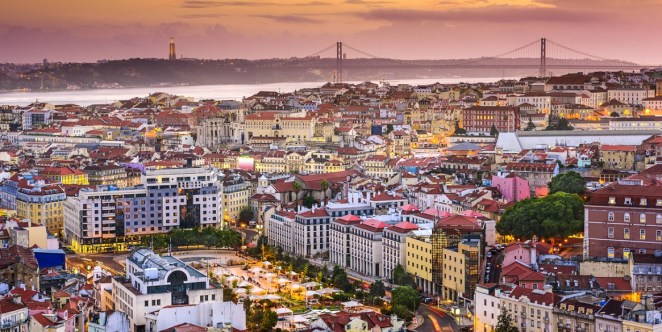
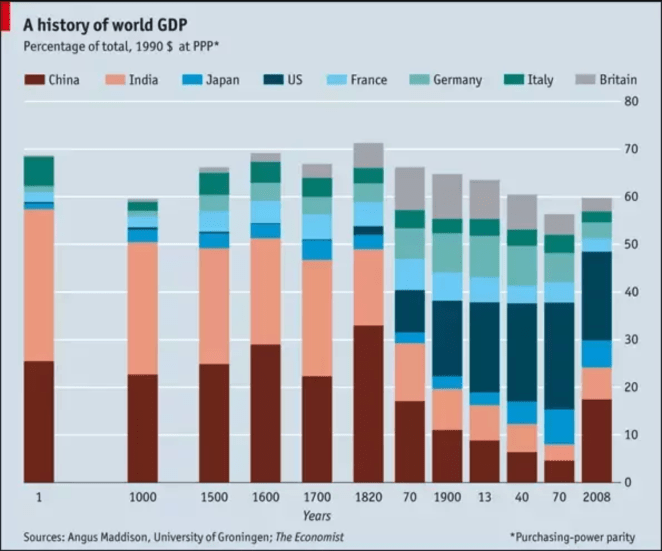
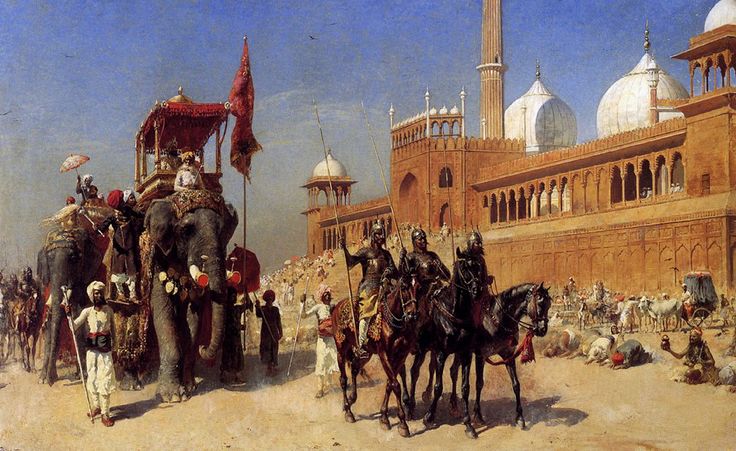
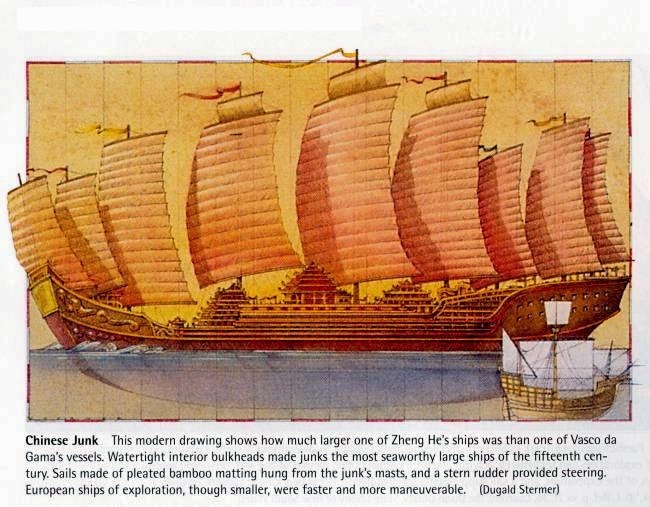

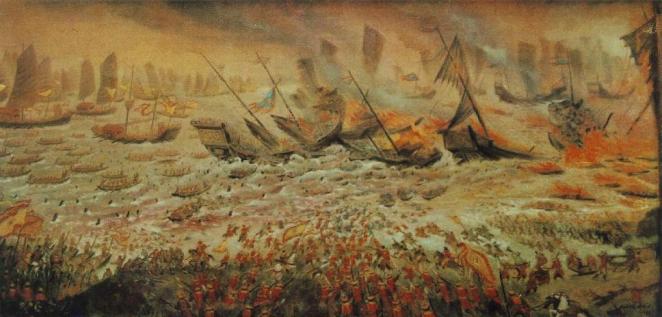
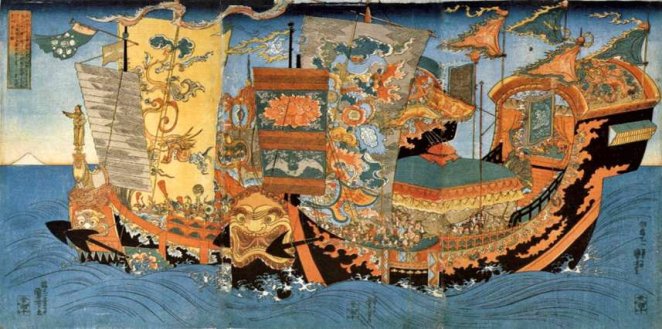




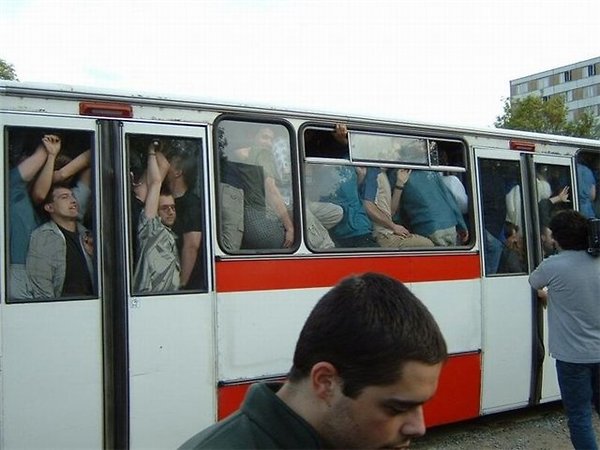


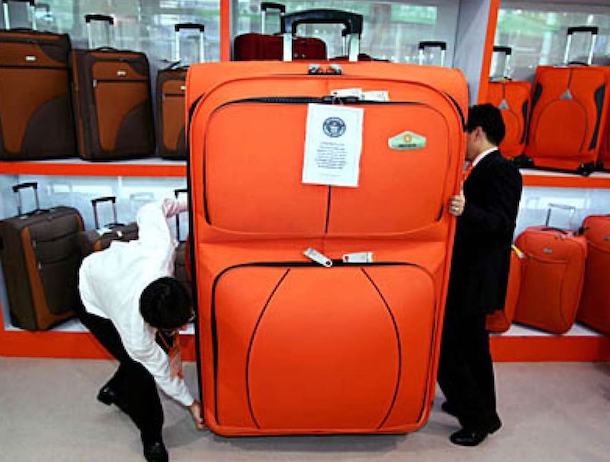
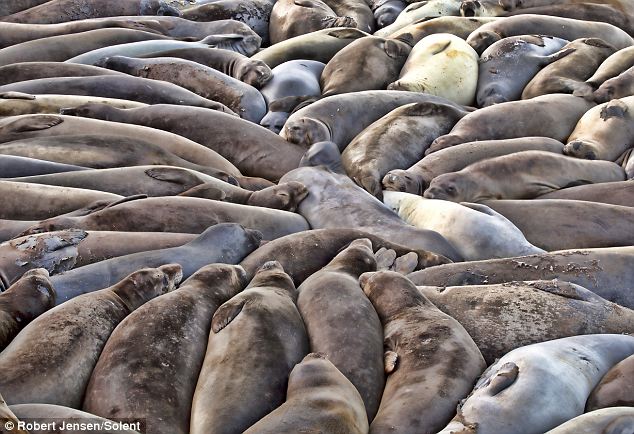
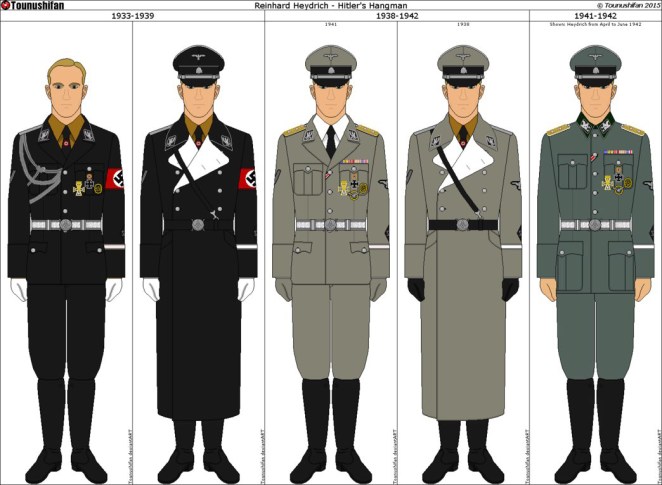



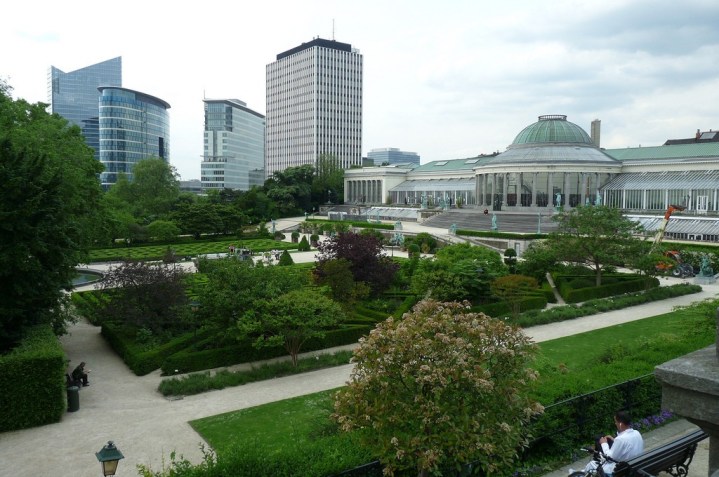

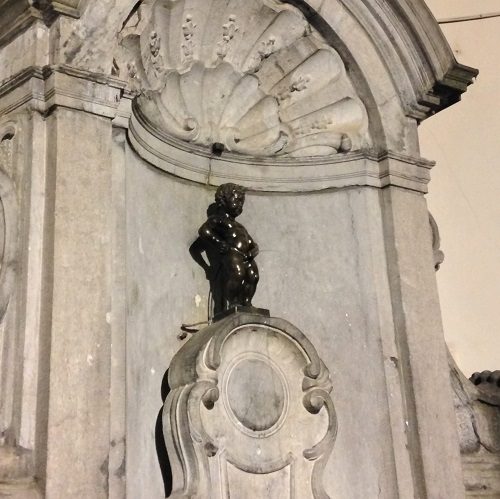

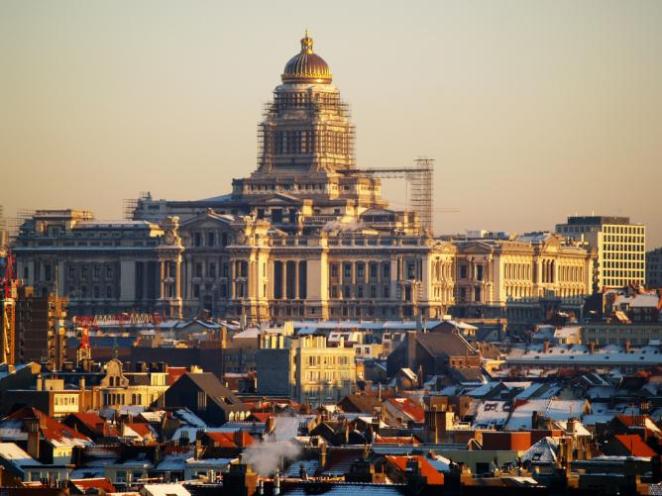


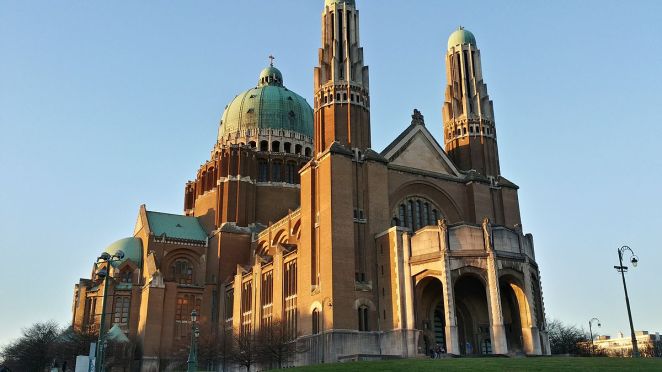


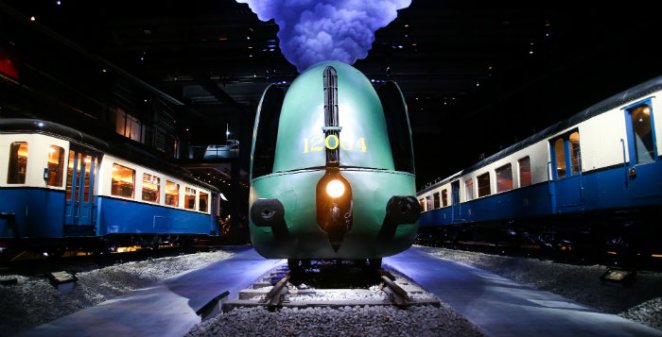

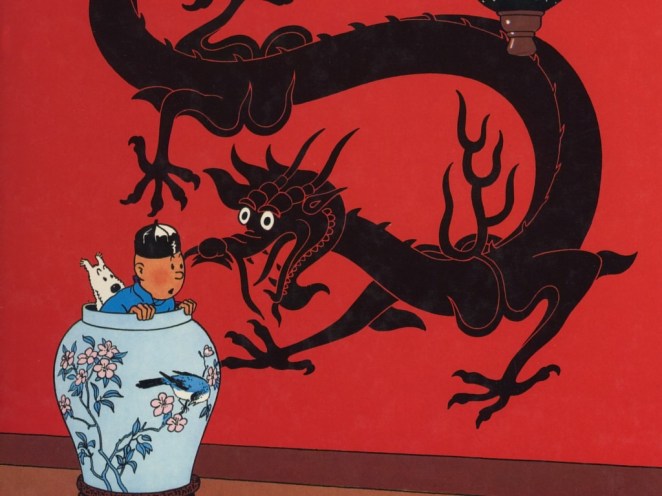
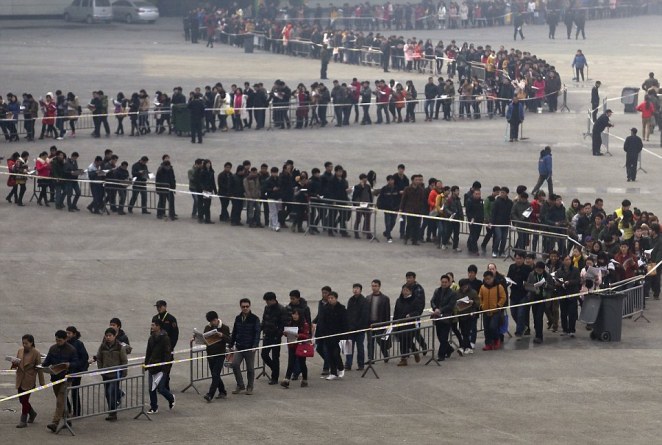


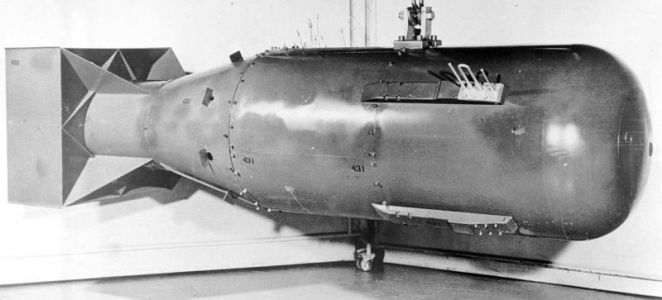
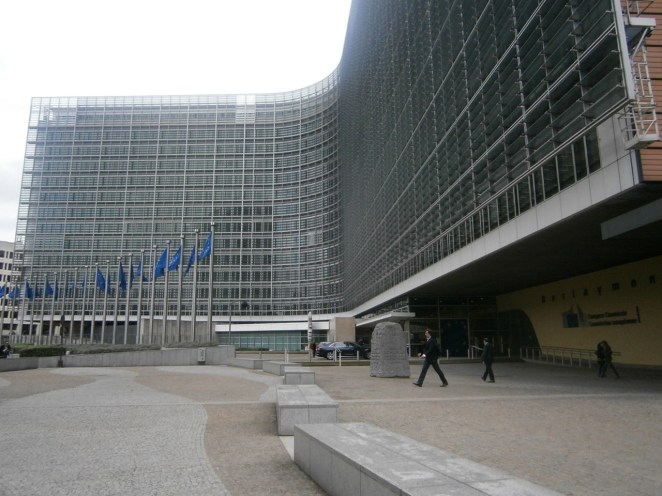


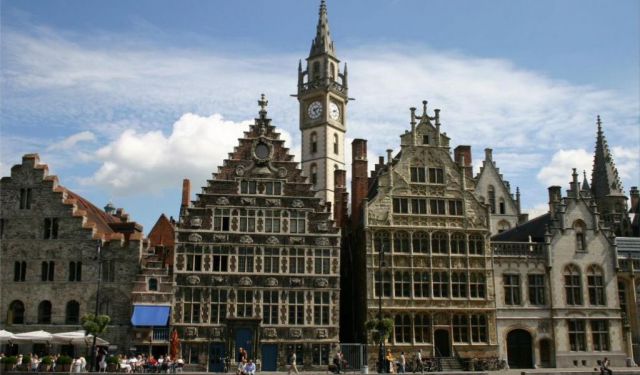
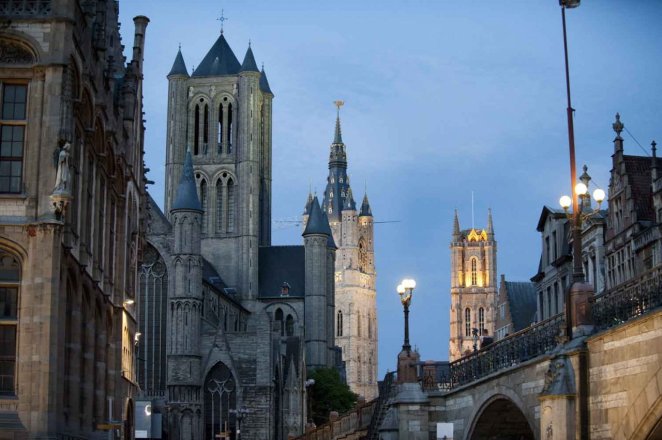
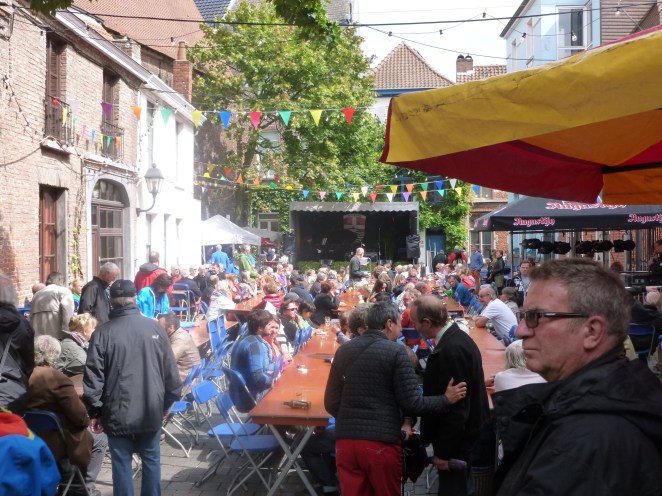
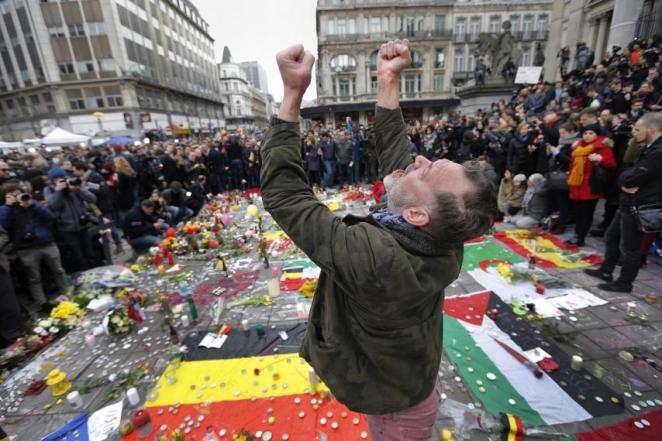
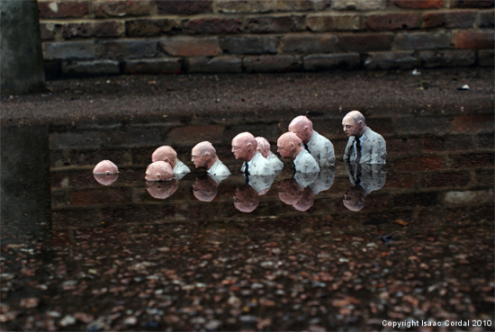

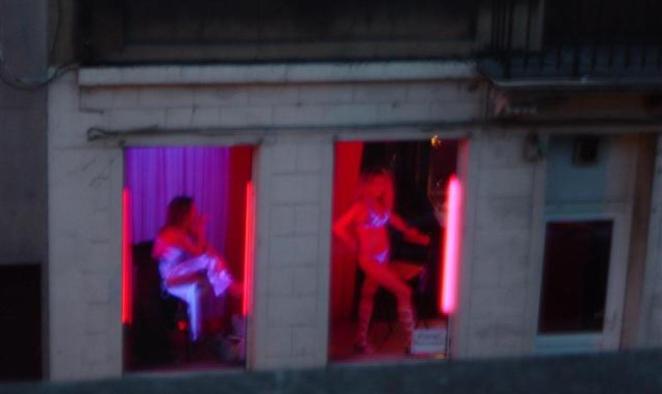


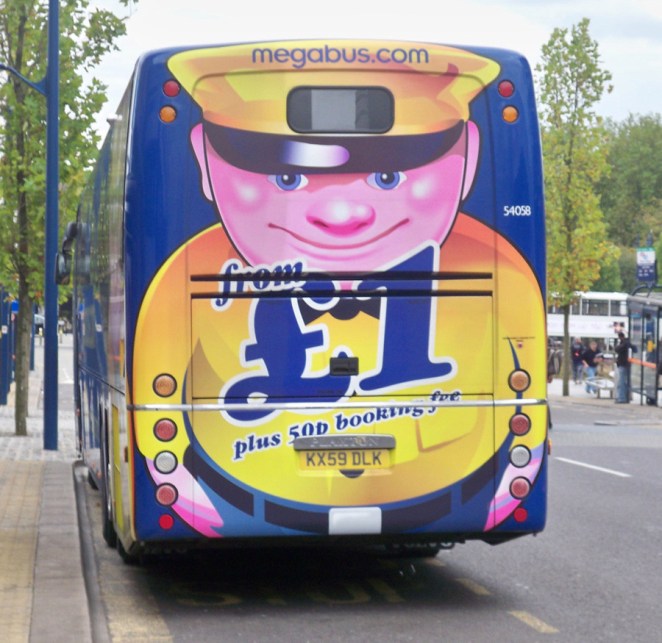
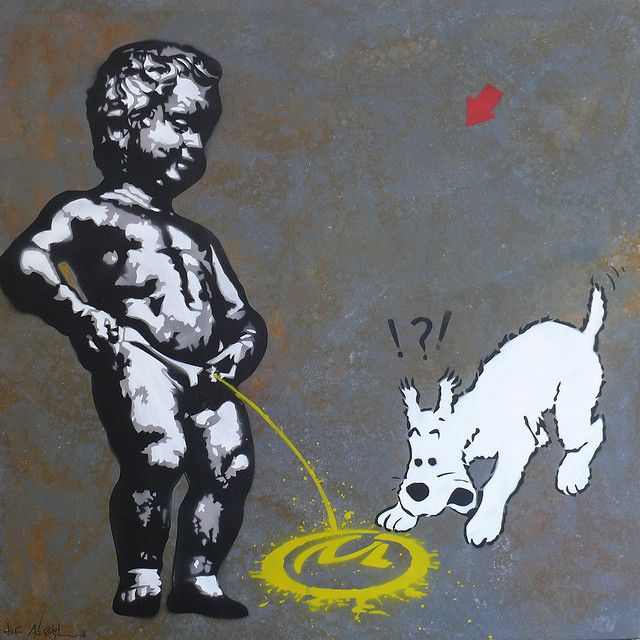
 supermouseblog